Bald eagle
Haliaeetus leucocephalus (Linnaeus, 1766)
The bald eagle (Haliaeetus leucocephalus) is a species in the family Accipitridae, order Accipitriformes. Recorded adults weigh 4.13 kg to 5.35 kg. It has been recorded in 20 countries, most often in United States, Canada and St. Pierre & Miquelon. Its IUCN Red List status is Least Concern.
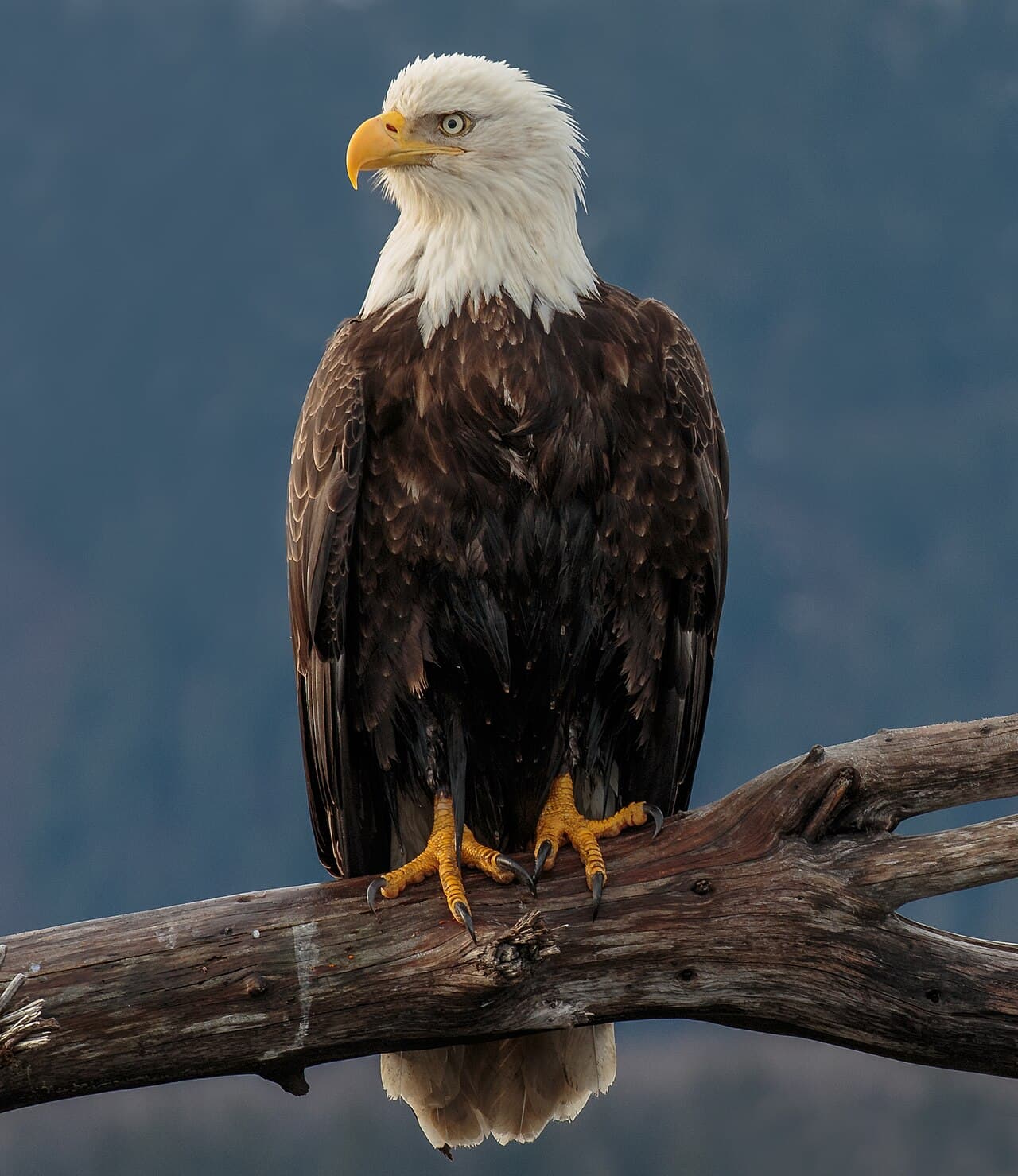

Quick facts about the bald eagle
- Weight
- 4.13 kg – 5.35 kgsrc for Weight
- Length
- Not recorded
- Wingspan
- 2.3 msrc for Wingspan
- Lifespan
- Not recorded
- Main food
- Not recorded
- Habitat
- Not recorded
- Young per litter or clutch
- Not recorded
- Conservation status
- Least Concern (IUCN)src for Conservation status
- Recorded in
- 20 countriessrc for Recorded in
How big is the bald eagle?
Photos of the bald eagle
Only freely licensed photos are shown. Each carries its creator and licence.


Where does the bald eagle live?
Countries with openly licensed sighting records on GBIF. This shows where the species has been recorded, including zoos and introduced populations. It is not a definitive range.
The bald eagle has been recorded in 20 countries, from 7,114,270 records.
- None on record
- 1–9
- 10–99
- 100–999
- 1,000+
The same figures as a list, most records first
- United States5,796,550
- Canada1,316,572
- St. Pierre & Miquelon494
- Mexico483
- Bermuda91
- Belgium23
- Germany21
- Russia9
- Sweden7
- Bahamas3
- Cuba3
- France3
- United Kingdom3
- Japan2
- Belize1
- Ireland1
- Nigeria1
- Netherlands1
- Senegal1
- South Africa1
What is the bald eagle?
The bald eagle (Haliaeetus leucocephalus) is a bird of prey found in North America. A sea eagle, it has two known subspecies and forms a species pair with the white-tailed eagle (Haliaeetus albicilla), which occupies the same niche as the bald eagle in the Palearctic. Its range includes most of Canada and Alaska, all of the contiguous United States, and northern Mexico. It is found near large bodies of open water with an abundant food supply and old-growth trees for nesting.
The bald eagle is an opportunistic feeder that subsists mainly on fish, upon which it swoops down and snatches from the water with its talons. It builds the largest nest of any North American bird and the largest tree nests ever recorded for any animal species, up to 4 m (13 ft) deep, 2.5 m (8.2 ft) wide, and 1 metric ton (1.1 short tons) in weight. Sexual maturity is attained at the age of four to five years.
Bald eagles are not bald in the literal sense; the name derives from an older meaning of the word, "white-headed". The adult is mainly brown with a white head and tail. The sexes are identical in plumage, but females are about 25% larger than males. The yellow beak is large and hooked. The plumage of the immature is brown.
The bald eagle is the national bird and national symbol of the United States and appears on its seal. In the late 20th century it was on the brink of extirpation in the contiguous United States, but measures such as banning the practice of hunting bald eagles and banning the use of the harmful pesticide DDT slowed the decline of their population. Populations have since recovered, and the species' status was upgraded from "endangered" to "threatened" in 1995 and removed from the list altogether in 2007.
Wikipedia contributors, “Bald eagle”, Wikipedia (revision 1384435626), retrieved 2026-11-11. Shared under CC BY-SA 4.0; this block is kept separate from our own text.
What does the bald eagle sound like?
Is the bald eagle endangered?
The bald eagle is listed as Least Concern on the IUCN Red List: it is not currently at risk of extinction.
- LCLeast Concern
- NTNear Threatened
- VUVulnerable
- ENEndangered
- CRCritically Endangered
- EWExtinct in the Wild
- EXExtinct
Category via Wikidata (CC0). Find the full assessment on the IUCN Red List. See all Least Concern species.
How is the bald eagle classified?
- kingdomAnimalia
- phylumChordata
- classAves
- orderAccipitriformes
- familyAccipitridae
- genusHaliaeetus
- SpeciesHaliaeetus leucocephalus (Linnaeus, 1766)
Synonyms Falco leucocephalus
Names in other languages (19)
- pygargue à tête blancheFrench
- WeißkopfseeadlerGerman
- águia-de-cabeça-brancaPortuguese
- Amerikaanse zeearendDutch
- vithövdad havsörnSwedish
- ハクトウワシJapanese
- 白头海雕Chinese
- عقاب رخماءArabic
- bald eagleHindi
- Белоголовый орланRussian
- Weißkopf-SeeadlerGerman
- Pigargo americanoSpanish
- عُقاب رخماءArabic
- Águila calvaSpanish
- Aquila dalla testa biancaItalian
- Águia de cabeça brancaPortuguese
- 白頭海鵰Chinese
- Aquila di mare testabiancaItalian
- pigargo-americanoPortuguese
GBIFWikidataWikipediaNCBI TaxonomyITISEncyclopedia of LifeiNaturalistWoRMS
Relatives of the bald eagle
Other species in the same class Aves.
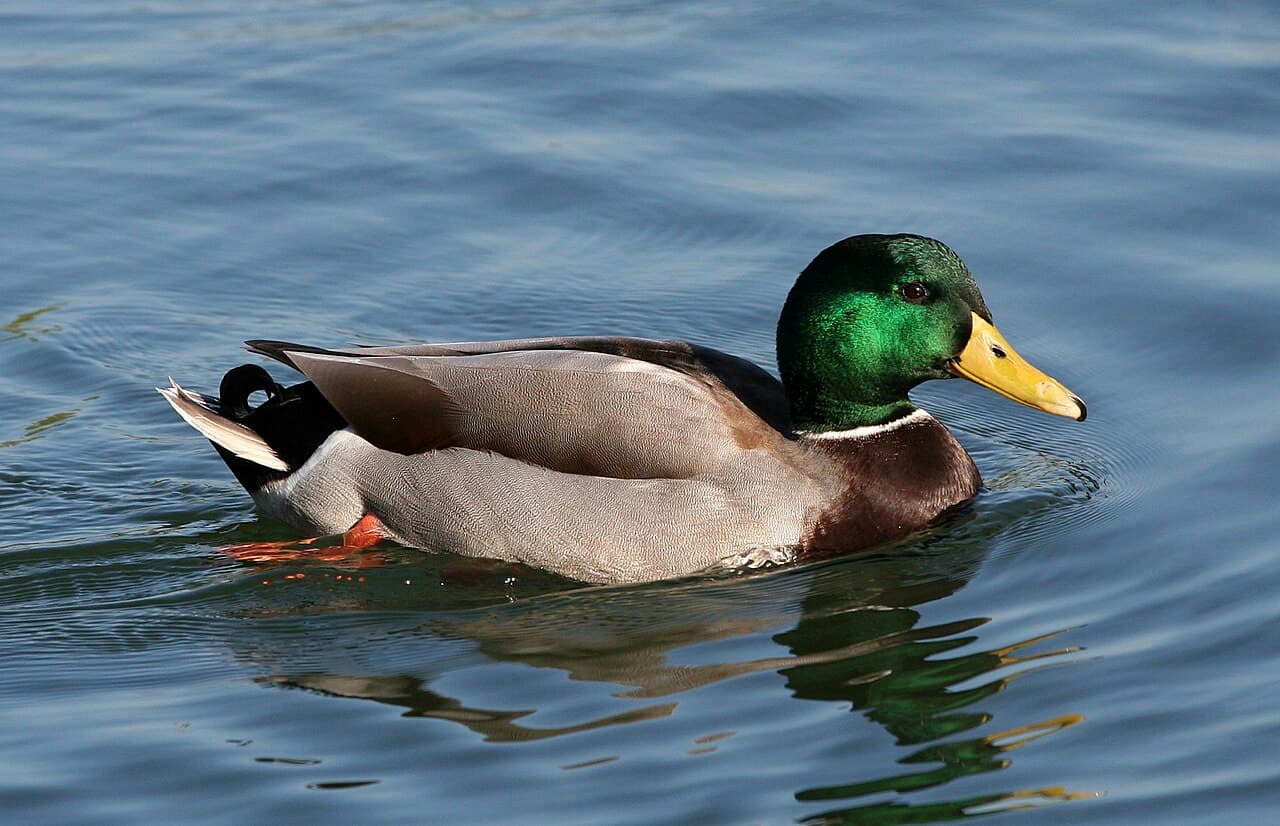
Mallard
Anas platyrhynchos
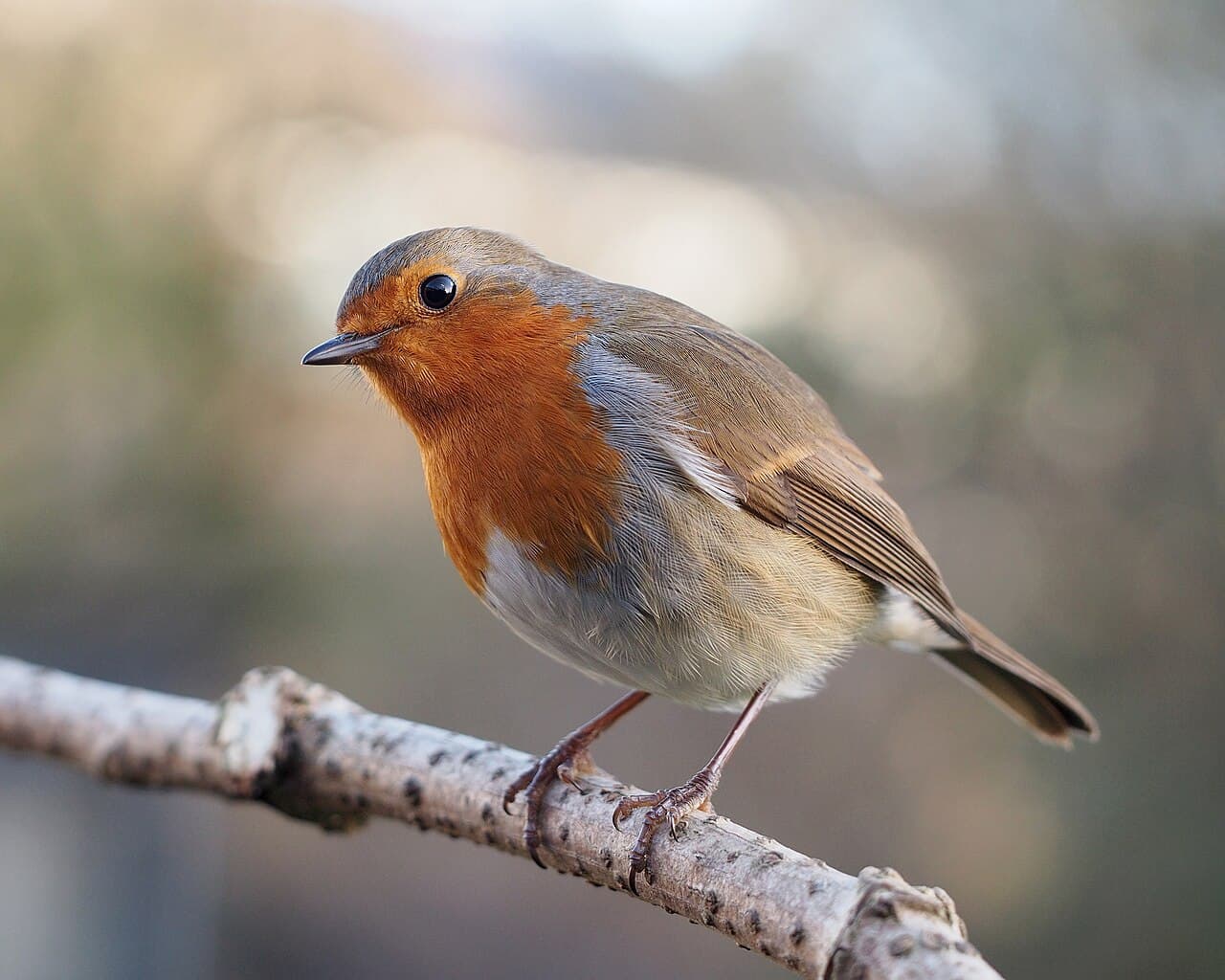
European robin
Erithacus rubecula
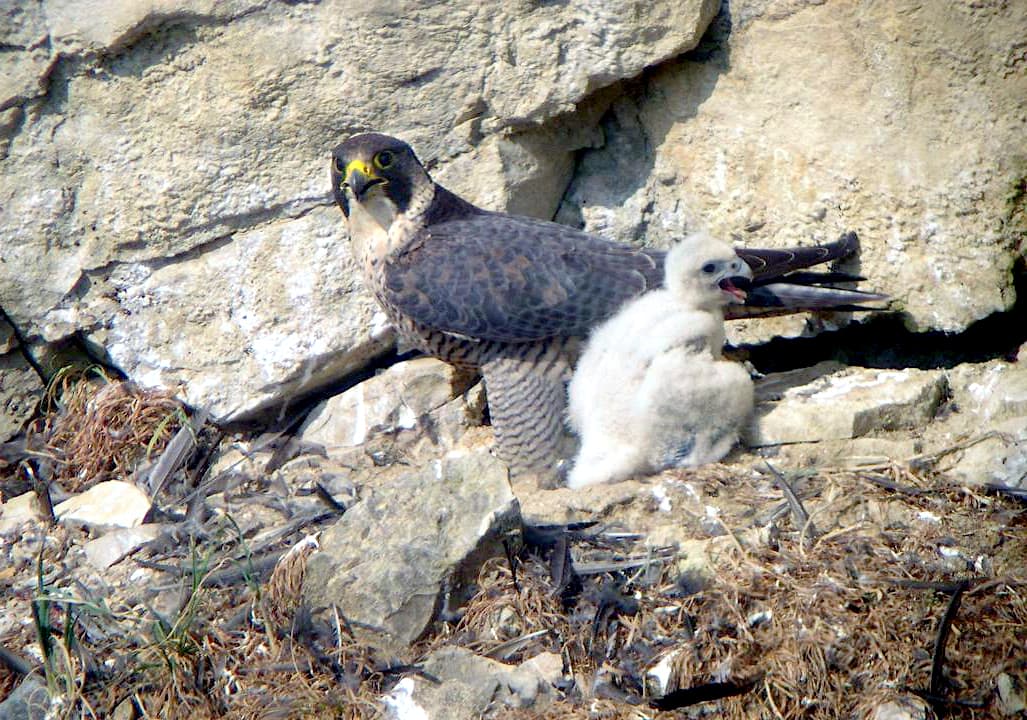
Peregrine falcon
Falco peregrinus
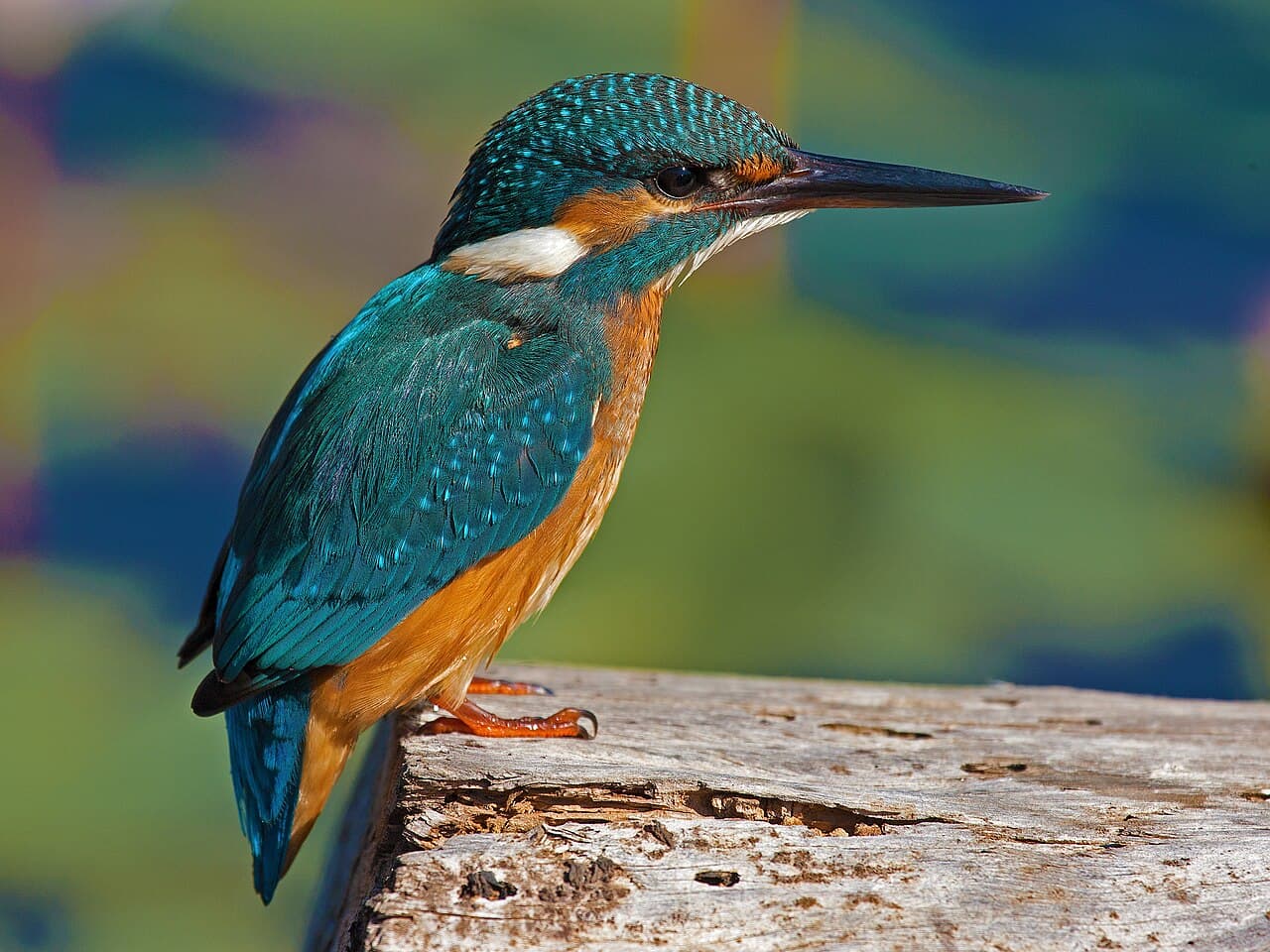
Common kingfisher
Alcedo atthis
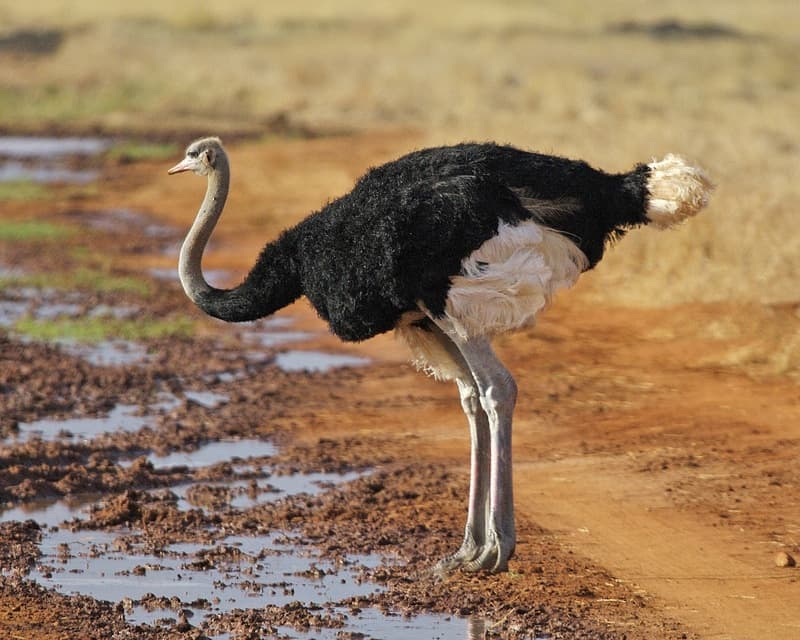
Common ostrich
Struthio camelus

Western barn owl
Tyto alba
CompareBald eagle vs Peregrine falconBald eagle vs MallardBald eagle vs European robinBald eagle vs Common kingfisher
Common questions
Answered only where our data holds the answer.
How big is the bald eagle?
An adult bald eagle weighs 4.13 kg – 5.35 kg and has a wingspan of 2.3 m, according to values recorded on Wikidata.
Where does the bald eagle live?
The bald eagle has openly licensed sighting records from 20 countries on GBIF. The most records come from United States, Canada, St. Pierre & Miquelon, Mexico and Bermuda. These are recorded sightings, not a definitive range.
Is the bald eagle endangered?
The bald eagle is listed as Least Concern on the IUCN Red List, meaning it is not currently at risk of extinction.
What kind of animal is the bald eagle?
The bald eagle (Haliaeetus leucocephalus) belongs to the family Accipitridae in the order Accipitriformes.
Sources and how to cite this page
Data as of 2026-11-11. How this page is put together.
- GBIF Backbone Taxonomy · CC BY 4.0 · live API 2026-11-11
GBIF Secretariat. GBIF Backbone Taxonomy. Checklist dataset https://doi.org/10.15468/39omei accessed via GBIF.org. - Wikidata · CC0 1.0 · live API 2026-11-11
Wikidata contributors. Wikidata, the free knowledge base. - GBIF occurrence aggregates (CC0 and CC BY records only) · CC BY 4.0 · live API 2026-11-11
GBIF.org occurrence search, country facet counts restricted to CC0 1.0 and CC BY 4.0 records. - Wikimedia Commons · Per file · live API 2026-11-11
Wikimedia Commons contributors. Licence and creator recorded per file. - English Wikipedia · CC BY-SA 4.0 · live API 2026-11-11
Wikipedia contributors. Wikipedia, The Free Encyclopedia.
Embed a card for this animal on your own site
Copy this code. The card shows the photo with its credit, key facts and a link back to this page.
CreatureData. (2026). Bald eagle (Haliaeetus leucocephalus). Retrieved from https://creaturedata.com/animals/bald-eagle
“Bald eagle (Haliaeetus leucocephalus).” CreatureData, 2026, https://creaturedata.com/animals/bald-eagle.
@misc{bald_eagle_2026,
  title = {Bald eagle (Haliaeetus leucocephalus)},
  author = {{CreatureData}},
  year = {2026},
  url = {https://creaturedata.com/animals/bald-eagle},
  note = {Data as of 2026-11-11}
}