Mallard
Anas platyrhynchos Linnaeus, 1758
The mallard (Anas platyrhynchos) is a species in the family Anatidae, order Anseriformes. It has been recorded in 179 countries, most often in United States, Canada and Sweden. Its IUCN Red List status is Least Concern.
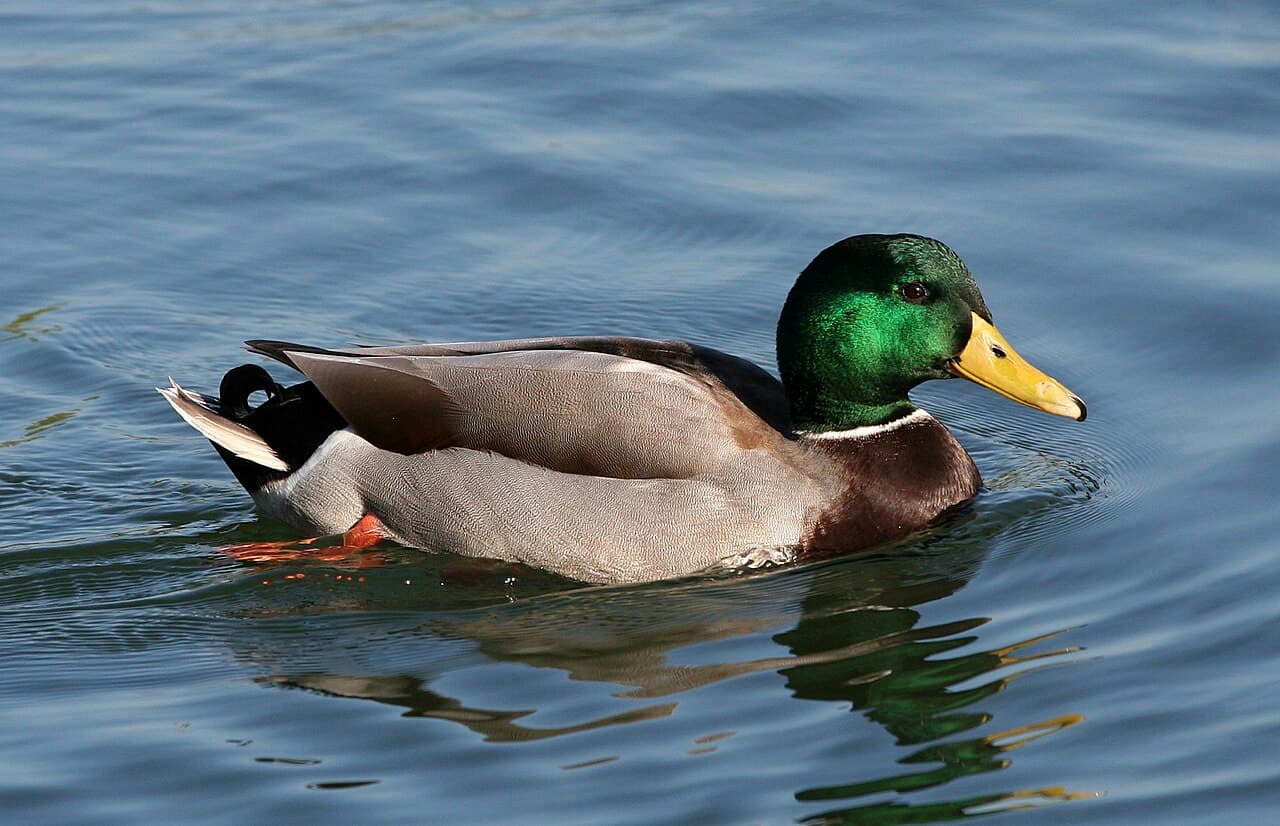

Quick facts about the mallard
- Weight
- Not recorded
- Length
- Not recorded
- Wingspan
- 88 cmsrc for Wingspan
- Lifespan
- Not recorded
- Main food
- worm, insect, beetle, Anisoptera, caddisfly, arthropod and 4 moresrc for Main food
- Habitat
- Not recorded
- Young per litter or clutch
- Not recorded
- Conservation status
- Least Concern (IUCN)src for Conservation status
- Recorded in
- 179 countriessrc for Recorded in
How big is the mallard?
Photos of the mallard
Only freely licensed photos are shown. Each carries its creator and licence.


Where does the mallard live?
Countries with openly licensed sighting records on GBIF. This shows where the species has been recorded, including zoos and introduced populations. It is not a definitive range.
The mallard has been recorded in 179 countries, from 29,839,033 records.
- None on record
- 1–9
- 10–99
- 100–999
- 1,000+
The same figures as a list, most records first
- United States18,659,051
- Canada3,570,995
- Sweden1,495,752
- United Kingdom1,197,783
- Norway790,249
- France728,722
- Spain603,621
- Germany466,003
- Belgium437,753
- Portugal162,517
- New Zealand150,714
- Finland135,776
- Netherlands118,079
- Japan117,442
- Poland114,745
- Czechia103,779
- Italy63,854
- Iceland61,305
- Switzerland60,646
- Ireland55,128
- Austria53,890
- Israel53,330
- China51,893
- Australia50,351
- Russia49,981
- Denmark47,993
- South Korea29,747
- Türkiye29,115
- Ukraine28,963
- Serbia22,675
- Taiwan22,615
- Hungary22,028
- Bulgaria18,908
- Greece15,909
- United Arab Emirates15,795
- India15,155
- Croatia14,408
- Slovakia14,383
- South Africa14,187
- Belarus12,397
Show 139 more countries
- Mexico12,342
- Lithuania11,902
- Bermuda11,728
- Isle of Man11,432
- Slovenia11,332
- Romania11,275
- Estonia8,256
- Luxembourg7,524
- Latvia6,500
- Morocco5,156
- Cyprus4,687
- Mongolia4,540
- Argentina3,639
- Iran3,442
- Faroe Islands2,971
- Kazakhstan2,936
- Åland Islands2,281
- Georgia2,266
- Chile2,142
- Moldova1,816
- Nepal1,724
- Algeria1,682
- North Macedonia1,610
- Colombia1,500
- Jersey1,471
- Bosnia & Herzegovina1,401
- Montenegro1,286
- Azerbaijan1,259
- Greenland1,245
- Oman1,237
- Kyrgyzstan1,128
- Egypt1,111
- Kuwait969
- Palestinian Territories916
- Kosovo717
- Hong Kong SAR China709
- Albania668
- Svalbard & Jan Mayen661
- Bahamas647
- Armenia643
- Philippines636
- Uzbekistan596
- Tunisia549
- Guernsey543
- St. Pierre & Miquelon537
- Saudi Arabia508
- Jordan450
- Bhutan434
- Brazil375
- Qatar365
- Pakistan364
- Puerto Rico363
- Norfolk Island352
- Malta333
- Uruguay317
- Iraq297
- Namibia289
- Tajikistan289
- U.S. Outlying Islands269
- Thailand232
- Liechtenstein217
- North Korea189
- Lebanon167
- Ecuador156
- Monaco151
- Bahrain128
- Andorra118
- Vietnam115
- Costa Rica108
- Honduras98
- Bangladesh90
- Afghanistan86
- Réunion83
- Myanmar (Burma)80
- Mauritius78
- Peru47
- Zimbabwe40
- Venezuela35
- Sri Lanka32
- Bolivia31
- Vanuatu29
- Vatican City28
- Indonesia25
- Malaysia25
- Syria23
- Turkmenistan22
- Cayman Islands21
- Falkland Islands19
- Cambodia18
- Singapore18
- Dominican Republic16
- Madagascar16
- Panama15
- San Marino15
- U.S. Virgin Islands15
- Cuba14
- Equatorial Guinea13
- Guadeloupe12
- Yemen10
- Barbados9
- Curaçao9
- Libya8
- Northern Mariana Islands8
- Antigua & Barbuda6
- Botswana6
- Macao SAR China6
- New Caledonia6
- Nicaragua6
- Guam5
- Kenya5
- Paraguay5
- Caribbean Netherlands4
- Fiji4
- Gibraltar4
- Haiti4
- St. Martin4
- Martinique4
- Senegal4
- El Salvador4
- Sint Maarten4
- Aruba3
- Mauritania3
- Belize2
- Micronesia2
- Guatemala2
- Laos2
- São Tomé & Príncipe2
- Zambia2
- Côte d’Ivoire1
- Cameroon1
- Cape Verde1
- British Indian Ocean Territory1
- Jamaica1
- Lesotho1
- Mali1
- Montserrat1
- Maldives1
- Niue1
- French Polynesia1
What is the mallard?
The mallard () or wild duck (Anas platyrhynchos) is a dabbling duck that breeds throughout temperate and subtropical North America, Eurasia, and North Africa. It has been introduced to New Zealand, Australia, Peru, Brazil, Uruguay, Argentina, Chile, Colombia, the Falkland Islands, and South Africa. Belonging to the subfamily Anatinae of the waterfowl family Anatidae, mallards live in wetlands, eat water plants and small animals, and are social animals preferring to congregate in groups or flocks of varying sizes.
Males (drakes) have green heads, while the females (ducks) have mainly brown-speckled plumage. Both sexes have an area of white-bordered black or iridescent purple or blue feathers called a speculum on their wings; males especially tend to have blue speculum feathers. The mallard is 50–65 cm (20–26 in) long, of which the body makes up around two-thirds the length. The wingspan is 81–98 cm (32–39 in) and the bill is 4.4 to 6.1 cm (1.7 to 2.4 in) long. It is often slightly heavier than most other dabbling ducks, weighing 0.7–1.6 kg (1.5–3.5 lb).
The female lays 8 to 13 creamy white to greenish-buff spotless eggs, on alternate days. Incubation takes 27 to 28 days and fledging takes 50 to 60 days. The ducklings are precocial and fully capable of swimming as soon as they hatch.
The non-migratory mallard interbreeds with indigenous wild ducks of closely related species through genetic pollution by producing fertile offspring. Complete hybridisation of various species of wild duck gene pools could result in the extinction of many indigenous waterfowl. This species is the main ancestor of most breeds of domestic duck, and its naturally evolved wild gene pool has been genetically polluted by the domestic and feral mallard populations.
The mallard is considered to be a species of least concern by the International Union for Conservation of Nature (IUCN), and, unlike many waterfowl, is considered an invasive species in some regions. It is a very adaptable species, being able to live and even thrive in urban areas which may have supported more localised, sensitive species of waterfowl before development.
Wikipedia contributors, “Mallard”, Wikipedia (revision 1383243084), retrieved 2026-11-11. Shared under CC BY-SA 4.0; this block is kept separate from our own text.
Is the mallard endangered?
The mallard is listed as Least Concern on the IUCN Red List: it is not currently at risk of extinction.
- LCLeast Concern
- NTNear Threatened
- VUVulnerable
- ENEndangered
- CRCritically Endangered
- EWExtinct in the Wild
- EXExtinct
Category via Wikidata (CC0). Find the full assessment on the IUCN Red List. See all Least Concern species.
How is the mallard classified?
- kingdomAnimalia
- phylumChordata
- classAves
- orderAnseriformes
- familyAnatidae
- genusAnas
- SpeciesAnas platyrhynchos Linnaeus, 1758
Synonyms Anas boschas, Anas oustaleti
Names in other languages (15)
- Canard colvertFrench
- StockenteGerman
- Ánade realSpanish
- Pato-realPortuguese
- wilde eendDutch
- gräsandSwedish
- マガモJapanese
- 绿头鸭Chinese
- بركةArabic
- नीलसरHindi
- крякваRussian
- Ánade azulónSpanish
- Germano realeItalian
- Common mallardEnglish
- Northern mallardEnglish
GBIFWikidataWikipediaNCBI TaxonomyITISEncyclopedia of LifeiNaturalistWoRMS
Relatives of the mallard
Other species in the same class Aves.
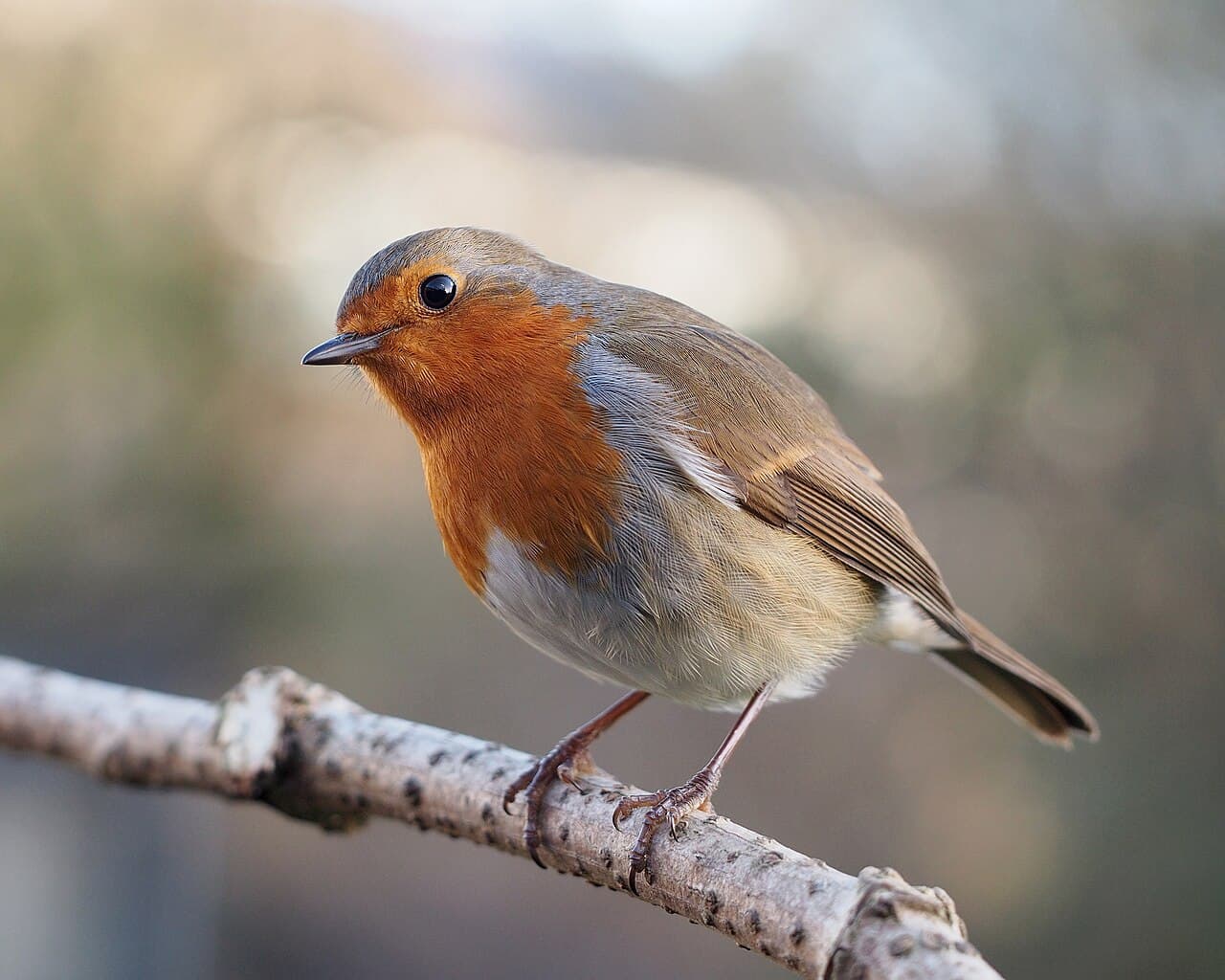
European robin
Erithacus rubecula
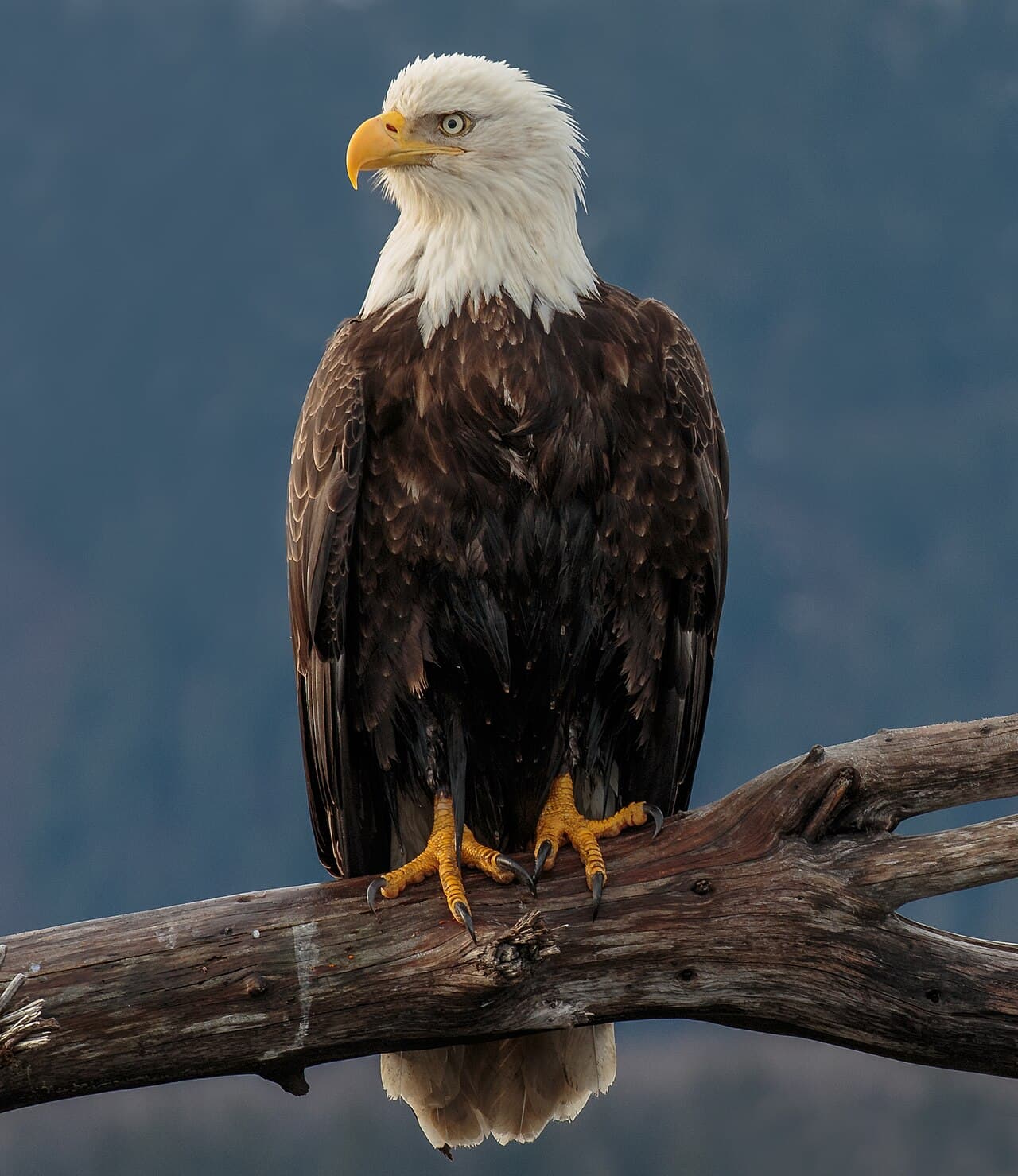
Bald eagle
Haliaeetus leucocephalus
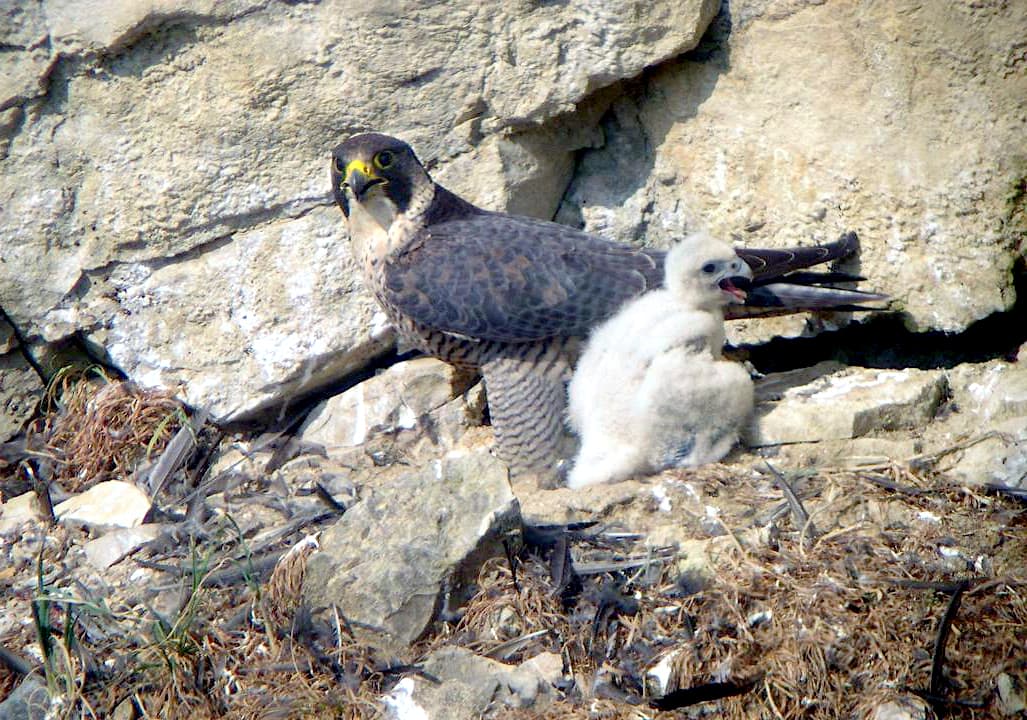
Peregrine falcon
Falco peregrinus
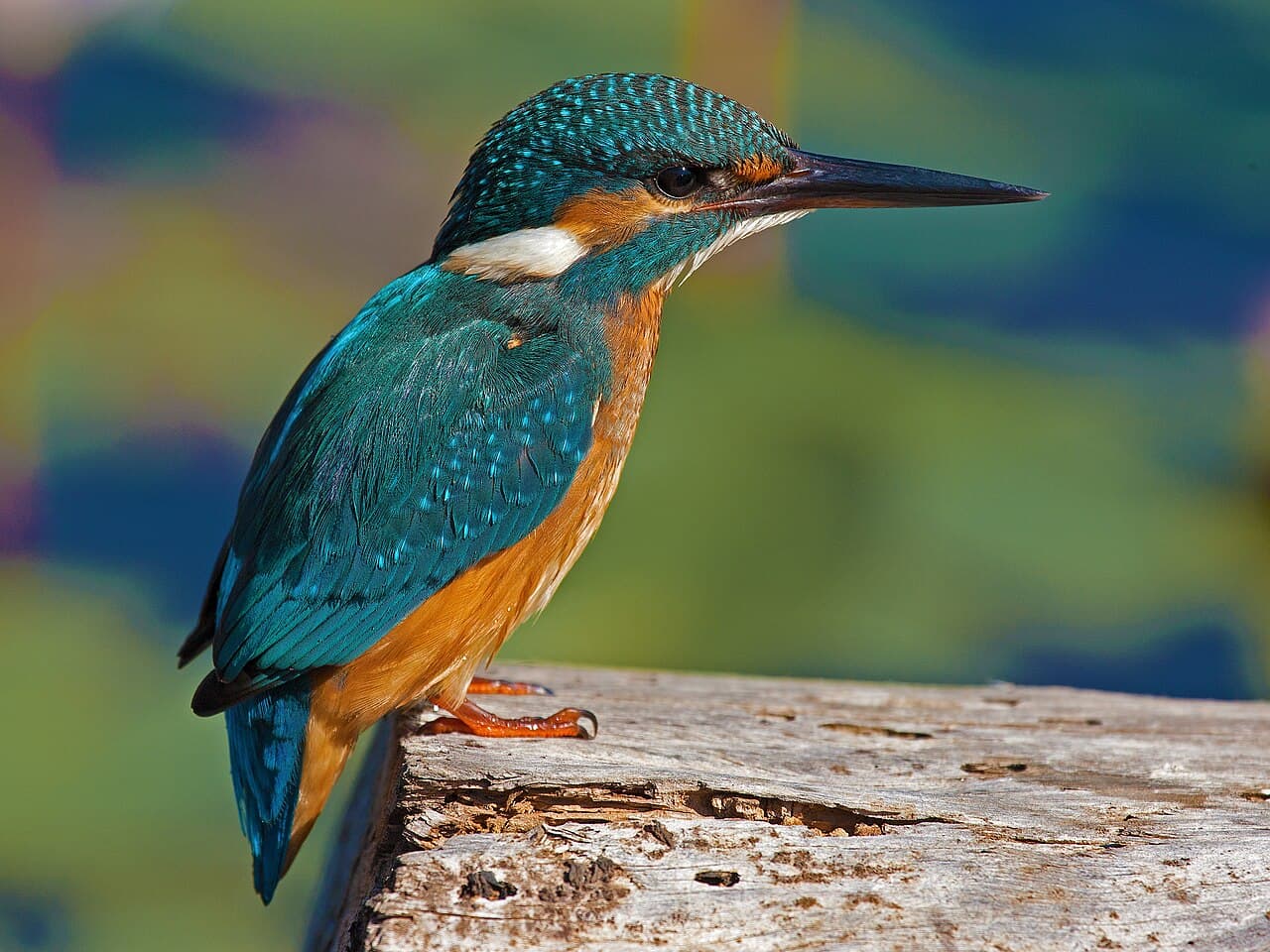
Common kingfisher
Alcedo atthis
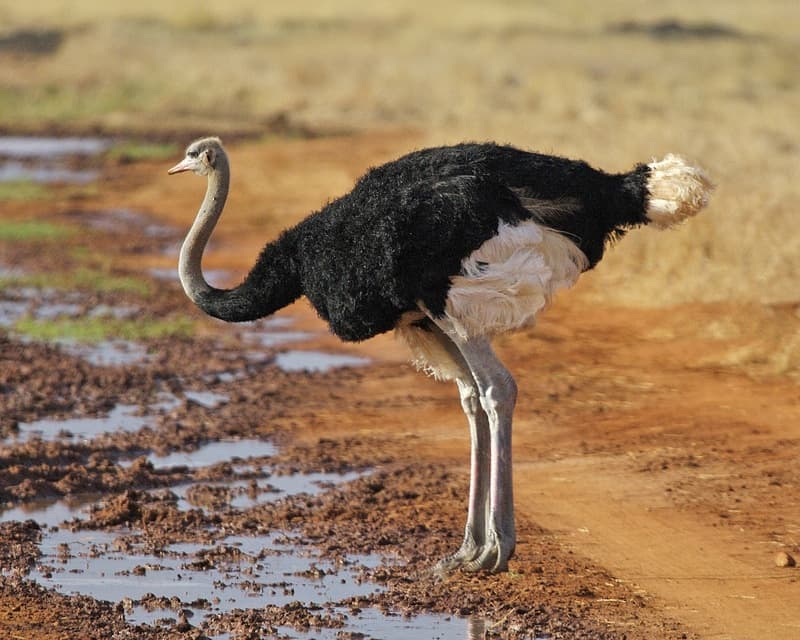
Common ostrich
Struthio camelus

Western barn owl
Tyto alba
CompareMallard vs European robinMallard vs Bald eagleMallard vs Peregrine falconMallard vs Common kingfisher
Common questions
Answered only where our data holds the answer.
How big is the mallard?
An adult mallard has a wingspan of 88 cm, according to values recorded on Wikidata.
Where does the mallard live?
The mallard has openly licensed sighting records from 179 countries on GBIF. The most records come from United States, Canada, Sweden, United Kingdom and Norway. These are recorded sightings, not a definitive range.
Is the mallard endangered?
The mallard is listed as Least Concern on the IUCN Red List, meaning it is not currently at risk of extinction.
What does the mallard eat?
Its recorded foods include worm, insect, beetle, Anisoptera, caddisfly and arthropod, among 10 on record.
What kind of animal is the mallard?
The mallard (Anas platyrhynchos) belongs to the family Anatidae in the order Anseriformes.
Sources and how to cite this page
Data as of 2026-11-11. How this page is put together.
- GBIF Backbone Taxonomy · CC BY 4.0 · live API 2026-11-11
GBIF Secretariat. GBIF Backbone Taxonomy. Checklist dataset https://doi.org/10.15468/39omei accessed via GBIF.org. - Wikidata · CC0 1.0 · live API 2026-11-11
Wikidata contributors. Wikidata, the free knowledge base. - GBIF occurrence aggregates (CC0 and CC BY records only) · CC BY 4.0 · live API 2026-11-11
GBIF.org occurrence search, country facet counts restricted to CC0 1.0 and CC BY 4.0 records. - Wikimedia Commons · Per file · live API 2026-11-11
Wikimedia Commons contributors. Licence and creator recorded per file. - English Wikipedia · CC BY-SA 4.0 · live API 2026-11-11
Wikipedia contributors. Wikipedia, The Free Encyclopedia.
Embed a card for this animal on your own site
Copy this code. The card shows the photo with its credit, key facts and a link back to this page.
CreatureData. (2026). Mallard (Anas platyrhynchos). Retrieved from https://creaturedata.com/animals/mallard
“Mallard (Anas platyrhynchos).” CreatureData, 2026, https://creaturedata.com/animals/mallard.
@misc{mallard_2026,
  title = {Mallard (Anas platyrhynchos)},
  author = {{CreatureData}},
  year = {2026},
  url = {https://creaturedata.com/animals/mallard},
  note = {Data as of 2026-11-11}
}