Atlantic puffin
Fratercula arctica (Linnaeus, 1758)
The Atlantic puffin (Fratercula arctica) is a species in the family Alcidae, order Charadriiformes. Recorded adults weigh about 376 g. It has been recorded in 34 countries, most often in United Kingdom, United States and Norway. Its IUCN Red List status is Vulnerable.


Quick facts about the Atlantic puffin
- Weight
- 376 gsrc for Weight
- Length
- Not recorded
- Height
- 27.9 cmsrc for Height
- Wingspan
- 55 cmsrc for Wingspan
- Lifespan
- Not recorded
- Main food
- Not recorded
- Habitat
- Not recorded
- Young per litter or clutch
- Not recorded
- Conservation status
- Vulnerable (IUCN)src for Conservation status
- Recorded in
- 34 countriessrc for Recorded in
How big is the Atlantic puffin?
Where does the Atlantic puffin live?
Countries with openly licensed sighting records on GBIF. This shows where the species has been recorded, including zoos and introduced populations. It is not a definitive range.
The Atlantic puffin has been recorded in 34 countries, from 213,440 records.
- None on record
- 1–9
- 10–99
- 100–999
- 1,000+
The same figures as a list, most records first
- United Kingdom95,799
- United States26,436
- Norway20,869
- Canada17,975
- Iceland15,087
- Faroe Islands14,128
- Sweden6,287
- Svalbard & Jan Mayen4,475
- Ireland4,320
- Spain2,091
- France2,031
- Russia801
- Greenland648
- Portugal501
- Netherlands376
- St. Pierre & Miquelon373
- Isle of Man371
- Denmark281
- Belgium164
- Germany141
- Guernsey84
- Jersey65
- Finland34
- Italy32
- Gibraltar30
- Morocco21
- Bermuda9
- Poland4
- Tanzania2
- Western Sahara1
- Israel1
- Lithuania1
- New Zealand1
- Trinidad & Tobago1
What is the Atlantic puffin?
The Atlantic puffin (Fratercula arctica), also known as the common puffin, is a species of seabird in the auk family. It is the only puffin native to the Atlantic Ocean; two related species, the tufted puffin and the horned puffin, are found in the northeastern Pacific. The Atlantic puffin breeds in Russia, Iceland, Ireland, Britain, Norway, Greenland, Newfoundland and Labrador, Nova Scotia, and the Faroe Islands, and as far south as Maine in the west and France (Brittany). It is most commonly found in the Westman Islands, Iceland. Although it has a large population and a wide range, the species has declined rapidly, at least in parts of its range, resulting in it being rated as vulnerable by the IUCN. On land, it has the typical upright stance of an auk. At sea, it swims on the surface and feeds on zooplankton, small fish, and crabs, which it catches by diving underwater, using its wings for propulsion.
This puffin has a black crown and back, light grey cheek patches, and a white body and underparts. Its broad, boldly marked red-and-black beak and orange legs contrast with its plumage. It moults while at sea in the winter, and some of the brightly coloured facial characteristics are lost, with colour returning during the spring. The external appearances of the adult male and female are identical, though the male is usually slightly larger. The juvenile has similar plumage, but its cheek patches are dark grey. The juvenile does not have brightly coloured head ornamentation, its bill is narrower and is dark grey with a yellowish-brown tip, and its legs and feet are also dark. Puffins from northern populations are typically larger than those in the south, and these populations are generally considered to be a different subspecies.
Spending the autumn and winter in the open ocean of the cold northern seas, the Atlantic puffin returns to coastal areas at the start of the breeding season in late spring. It nests in clifftop colonies, digging a burrow in which a single white egg is laid. Chicks mostly feed on whole fish and grow rapidly. After about 6 weeks, they are fully fledged and make their way at night to the sea. They swim away from the shore and do not return to land for several years.
Colonies are mostly on islands with no terrestrial predators, but adult birds and newly fledged chicks are at risk of attacks from the air by gulls and skuas. The puffin's striking appearance, large, colourful bill, waddling gait, and behaviour have given rise to nicknames such as "clown of the sea" or "sea parrot". It is the official bird of the Canadian province of Newfoundland and Labrador.
Wikipedia contributors, “Atlantic puffin”, Wikipedia (revision 1384966593), retrieved 2026-11-11. Shared under CC BY-SA 4.0; this block is kept separate from our own text.
What does the Atlantic puffin sound like?
Is the Atlantic puffin endangered?
The Atlantic puffin is listed as Vulnerable on the IUCN Red List: it faces a high risk of extinction in the wild.
- LCLeast Concern
- NTNear Threatened
- VUVulnerable
- ENEndangered
- CRCritically Endangered
- EWExtinct in the Wild
- EXExtinct
Category via Wikidata (CC0). Find the full assessment on the IUCN Red List. See all Vulnerable species.
How is the Atlantic puffin classified?
- kingdomAnimalia
- phylumChordata
- classAves
- orderCharadriiformes
- familyAlcidae
- genusFratercula
- SpeciesFratercula arctica (Linnaeus, 1758)
Synonyms Alca arctica
Names in other languages (15)
- Macareux moineFrench
- PapageitaucherGerman
- FradinhoPortuguese
- papegaaiduikerDutch
- lunnefågelSwedish
- ニシツノメドリJapanese
- 北极海鹦Chinese
- بفن أطلسيArabic
- Атлантический тупикRussian
- Frailecillo atlánticoSpanish
- ТупикRussian
- Pulcinella di mareItalian
- papagaio-do-marPortuguese
- PuffinEnglish
- papagaio-do-mar-do-atlânticoPortuguese
GBIFWikidataWikipediaNCBI TaxonomyITISEncyclopedia of LifeiNaturalistWoRMS
Relatives of the Atlantic puffin
Other species in the same class Aves.
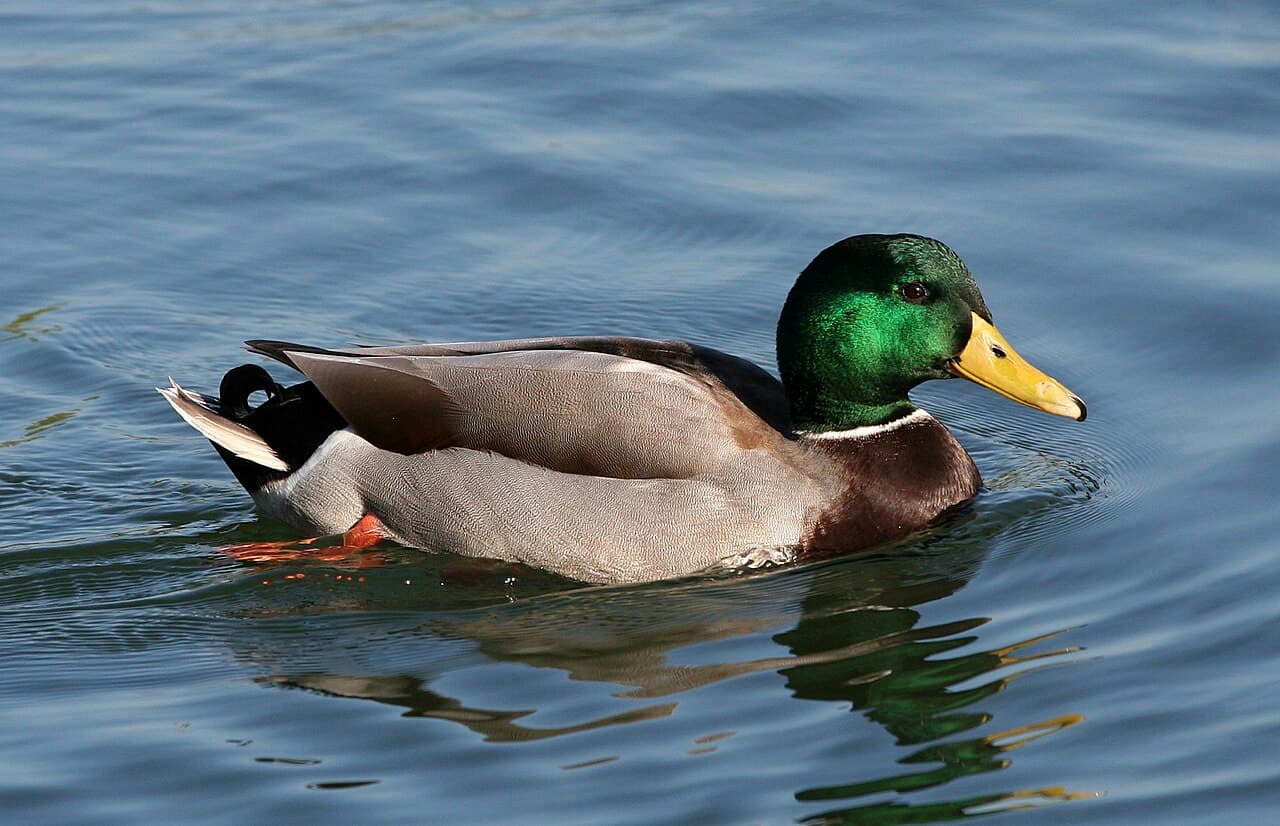
Mallard
Anas platyrhynchos
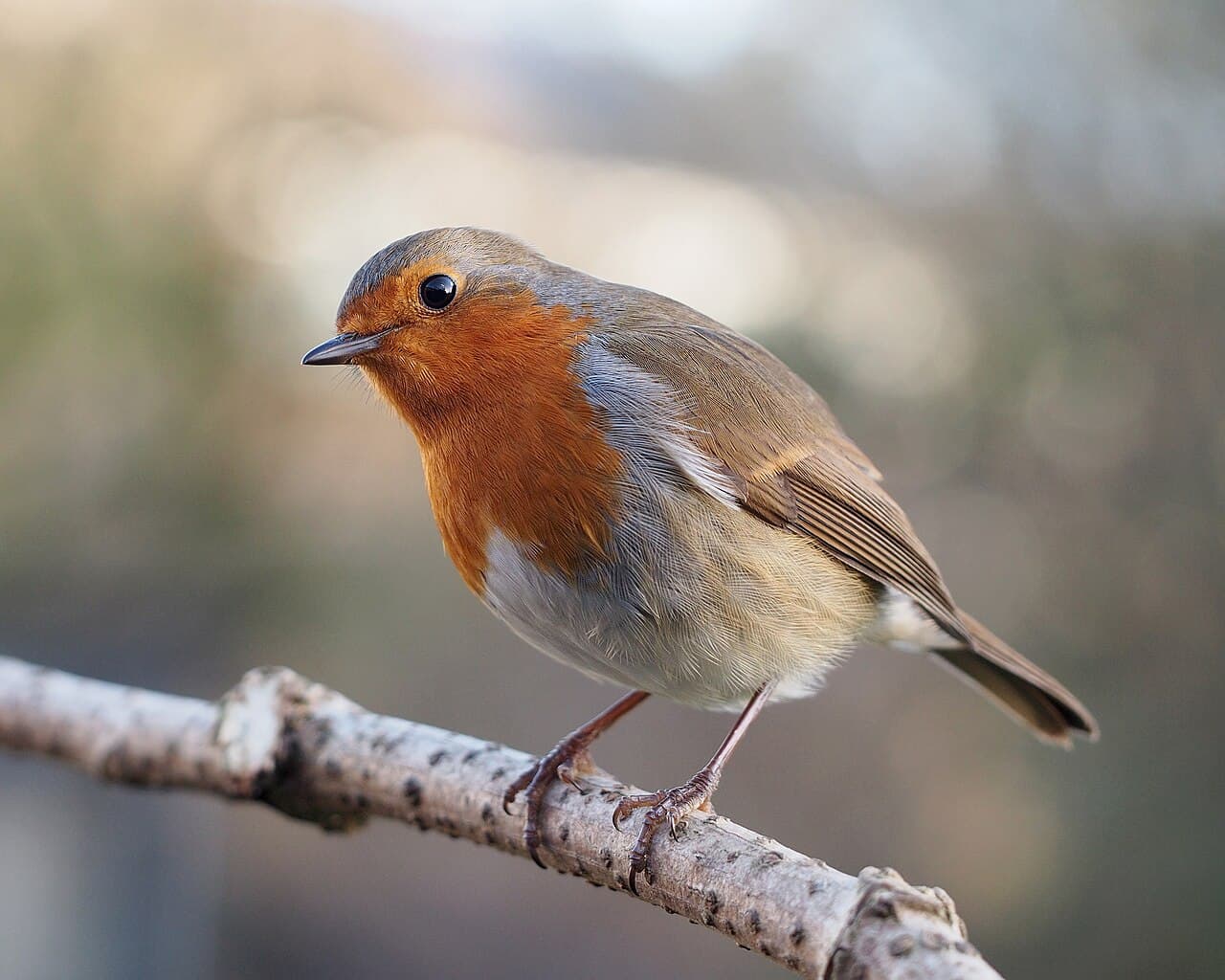
European robin
Erithacus rubecula
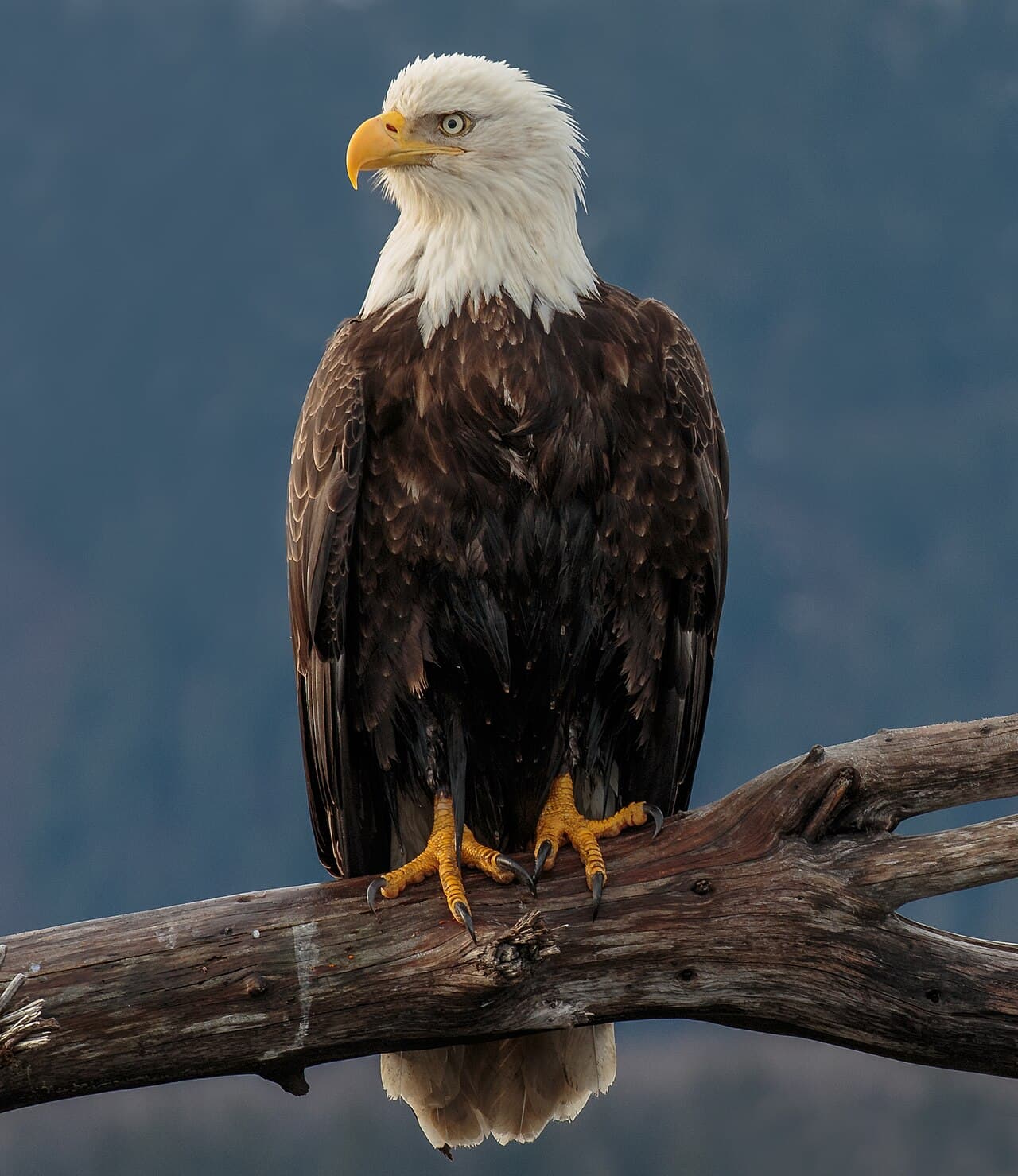
Bald eagle
Haliaeetus leucocephalus
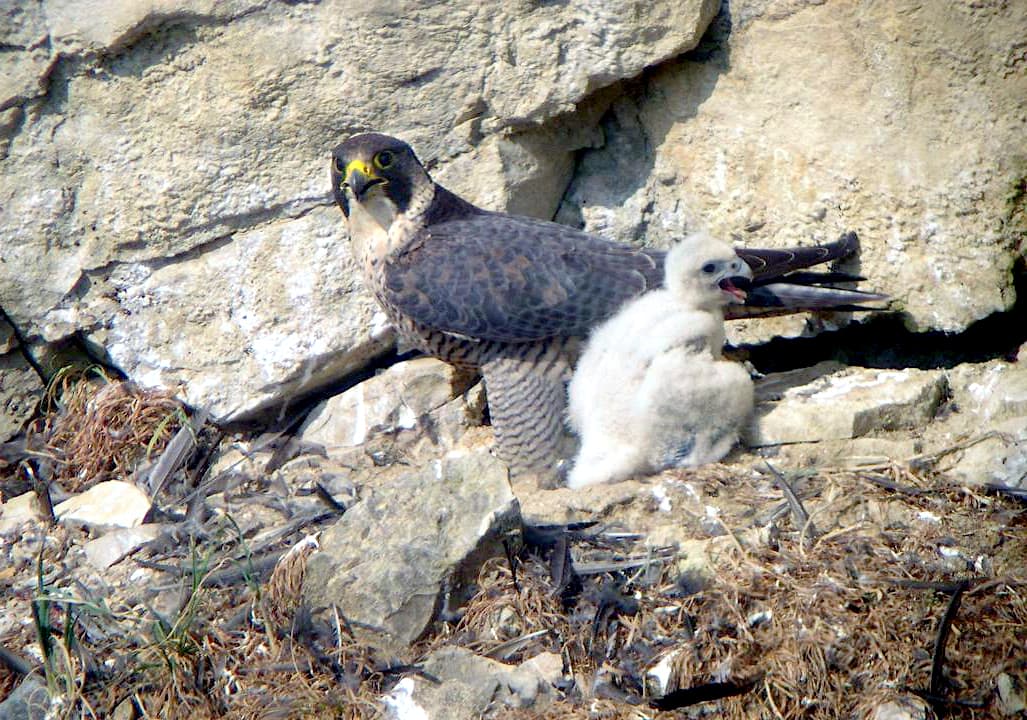
Peregrine falcon
Falco peregrinus
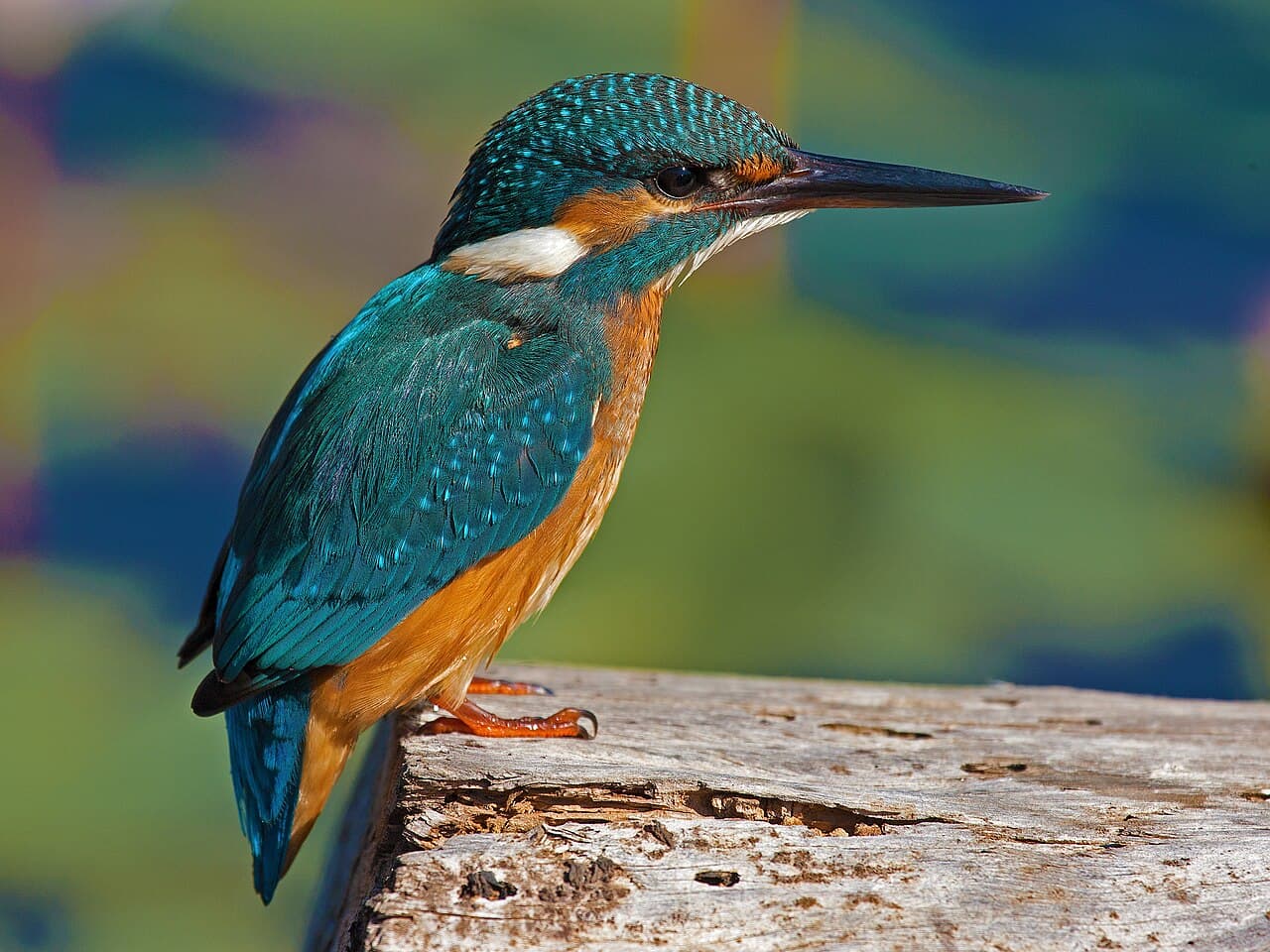
Common kingfisher
Alcedo atthis
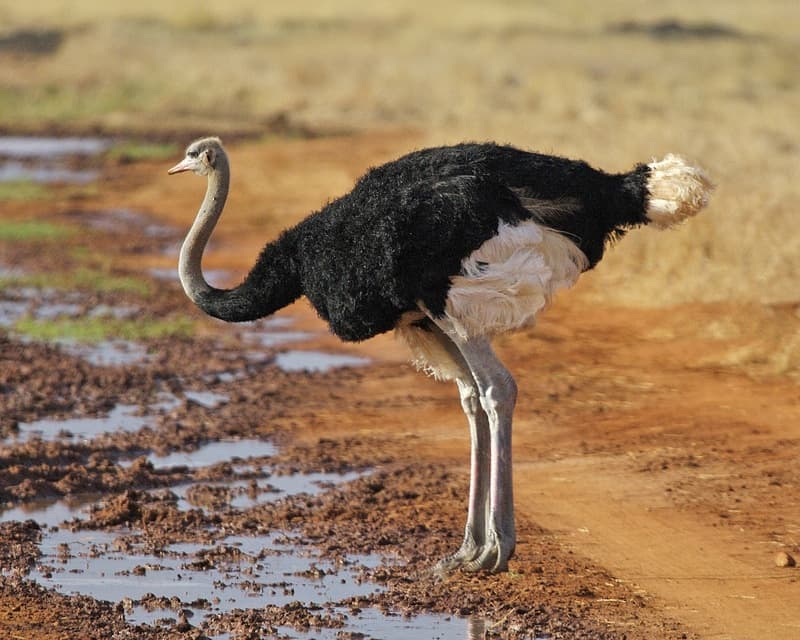
Common ostrich
Struthio camelus
CompareAtlantic puffin vs MallardAtlantic puffin vs European robinAtlantic puffin vs Bald eagleAtlantic puffin vs Peregrine falcon
Common questions
Answered only where our data holds the answer.
How big is the Atlantic puffin?
An adult Atlantic puffin weighs 376 g, stands 27.9 cm tall and has a wingspan of 55 cm, according to values recorded on Wikidata.
Where does the Atlantic puffin live?
The Atlantic puffin has openly licensed sighting records from 34 countries on GBIF. The most records come from United Kingdom, United States, Norway, Canada and Iceland. These are recorded sightings, not a definitive range.
Is the Atlantic puffin endangered?
The Atlantic puffin is listed as Vulnerable on the IUCN Red List, meaning it faces a high risk of extinction in the wild.
What kind of animal is the Atlantic puffin?
The Atlantic puffin (Fratercula arctica) belongs to the family Alcidae in the order Charadriiformes.
Sources and how to cite this page
Data as of 2026-11-11. How this page is put together.
- GBIF Backbone Taxonomy · CC BY 4.0 · live API 2026-11-11
GBIF Secretariat. GBIF Backbone Taxonomy. Checklist dataset https://doi.org/10.15468/39omei accessed via GBIF.org. - Wikidata · CC0 1.0 · live API 2026-11-11
Wikidata contributors. Wikidata, the free knowledge base. - GBIF occurrence aggregates (CC0 and CC BY records only) · CC BY 4.0 · live API 2026-11-11
GBIF.org occurrence search, country facet counts restricted to CC0 1.0 and CC BY 4.0 records. - Wikimedia Commons · Per file · live API 2026-11-11
Wikimedia Commons contributors. Licence and creator recorded per file. - English Wikipedia · CC BY-SA 4.0 · live API 2026-11-11
Wikipedia contributors. Wikipedia, The Free Encyclopedia.
Embed a card for this animal on your own site
Copy this code. The card shows the photo with its credit, key facts and a link back to this page.
CreatureData. (2026). Atlantic puffin (Fratercula arctica). Retrieved from https://creaturedata.com/animals/atlantic-puffin
“Atlantic puffin (Fratercula arctica).” CreatureData, 2026, https://creaturedata.com/animals/atlantic-puffin.
@misc{atlantic_puffin_2026,
  title = {Atlantic puffin (Fratercula arctica)},
  author = {{CreatureData}},
  year = {2026},
  url = {https://creaturedata.com/animals/atlantic-puffin},
  note = {Data as of 2026-11-11}
}