African bush elephant
Loxodonta africana (Blumenbach, 1797)
The African bush elephant (Loxodonta africana) is a species in the family Elephantidae, order Proboscidea. It has been recorded in 47 countries, most often in South Africa, Benin and Kenya. Its IUCN Red List status is Endangered.


Quick facts about the African bush elephant
- Weight
- Not recorded
- Length
- Not recorded
- Lifespan
- Not recorded
- Main food
- Not recorded
- Habitat
- Not recorded
- Gestation
- 670 dayssrc for Gestation
- Young per litter or clutch
- Not recorded
- Conservation status
- Endangered (IUCN)src for Conservation status
- Recorded in
- 47 countriessrc for Recorded in
Photos of the African bush elephant
Only freely licensed photos are shown. Each carries its creator and licence.


1 more photo exists under a licence we cannot display: view at source.

Where does the African bush elephant live?
Countries with openly licensed sighting records on GBIF. This shows where the species has been recorded, including zoos and introduced populations. It is not a definitive range.
The African bush elephant has been recorded in 47 countries, from 8,729 records.
- None on record
- 1–9
- 10–99
- 100–999
- 1,000+
The same figures as a list, most records first
- South Africa1,748
- Benin1,498
- Kenya1,480
- Zambia1,231
- Uganda609
- Tanzania591
- Namibia428
- Botswana388
- Zimbabwe217
- Congo - Kinshasa75
- Malawi58
- Cameroon48
- Liberia46
- Côte d’Ivoire31
- Sudan28
- China23
- Ghana23
- Equatorial Guinea23
- Burkina Faso22
- Mozambique15
- Germany12
- Rwanda12
- Angola11
- Ethiopia11
- Gabon10
- United States10
- Italy9
- Portugal9
- Chad8
- Eswatini7
- Central African Republic6
- Congo - Brazzaville6
- Sierra Leone5
- Poland4
- Hungary3
- Niger3
- Nigeria3
- Netherlands3
- South Sudan3
- Denmark2
What is the African bush elephant?
The African bush elephant (Loxodonta africana), also known as the African savanna elephant, is a species of elephant native to sub-Saharan Africa and the largest living terrestrial animal, with fully grown bulls reaching an average shoulder height of 3.04–3.36 m (10.0–11.0 ft) and a body mass of 5.2–6.9 t (5.7–7.6 short tons); the largest recorded specimen had a shoulder height of 3.96 m (13.0 ft) and an estimated body mass of 10.4 t (11.5 short tons). It is characterised by its long prehensile trunk with two finger-like processes; a concave back; large ears which help reduce body heat; and sturdy tusks that are noticeably curved. Its skin is grey with scanty hairs, and bending cracks which support thermoregulation by retaining water.
The African bush elephant inhabits a variety of habitats such as forests, grasslands, woodlands, wetlands and agricultural land. It is a mixed herbivore feeding mostly on grasses, creepers, herbs, leaves, and bark. The average adult consumes about 150 kg (330 lb) of vegetation and 230 L (51 imp gal; 61 US gal) of water each day. It is a social animal that lives in herds of cows and their offspring. Adult bulls usually live alone or in small bachelor groups. During the mating season, males undergo musth, a period of high testosterone levels and heightened aggression. The menstrual cycle of cows lasts three to four months, and gestation around 22 months, the longest of any mammal.
Since 2021, the African bush elephant has been listed as Endangered on the IUCN Red List. It is threatened foremost by habitat destruction, and in parts of its range also by poaching for meat and ivory. Between 2003 and 2015, the illegal killing of 14,606 African bush elephants was reported by rangers across 29 range countries. Chad is a major transit country for smuggling of ivory in West Africa, though this trend was curtailed by raising penalties for poaching and improving law enforcement. Poaching of the elephant in the 1970–1980s were considered the largest killings in history. In human culture, elephants have been extensively featured in literature, folklore and media, and are most valued for their large tusks.
Wikipedia contributors, “African bush elephant”, Wikipedia (revision 1384293884), retrieved 2026-11-11. Shared under CC BY-SA 4.0; this block is kept separate from our own text.
Is the African bush elephant endangered?
The African bush elephant is listed as Endangered on the IUCN Red List: it faces a very high risk of extinction in the wild.
- LCLeast Concern
- NTNear Threatened
- VUVulnerable
- ENEndangered
- CRCritically Endangered
- EWExtinct in the Wild
- EXExtinct
Category via Wikidata (CC0). Find the full assessment on the IUCN Red List. See all Endangered species.
How is the African bush elephant classified?
- kingdomAnimalia
- phylumChordata
- classMammalia
- orderProboscidea
- familyElephantidae
- genusLoxodonta
- SpeciesLoxodonta africana (Blumenbach, 1797)
Synonyms Elephas africana, Elephas capensis
Names in other languages (16)
- éléphant de savane d'AfriqueFrench
- Afrikanischer BuschelefantGerman
- Elefante-da-savanaPortuguese
- SavanneolifantDutch
- SavannelefantSwedish
- アフリカゾウJapanese
- 非洲象Chinese
- فيل الأدغال الإفريقيArabic
- अफ़्रीकी सवाना हाथीHindi
- Саванный слонRussian
- African elephantEnglish
- Elefante AfricanoSpanish
- Éléphant AfricainFrench
- Éléphant d'AfriqueFrench
- Afrikanischer ElefantGerman
- elefante africanoItalian
GBIFWikidataWikipediaNCBI TaxonomyITISEncyclopedia of LifeiNaturalist
Relatives of the African bush elephant
Other species in the same class Mammalia.
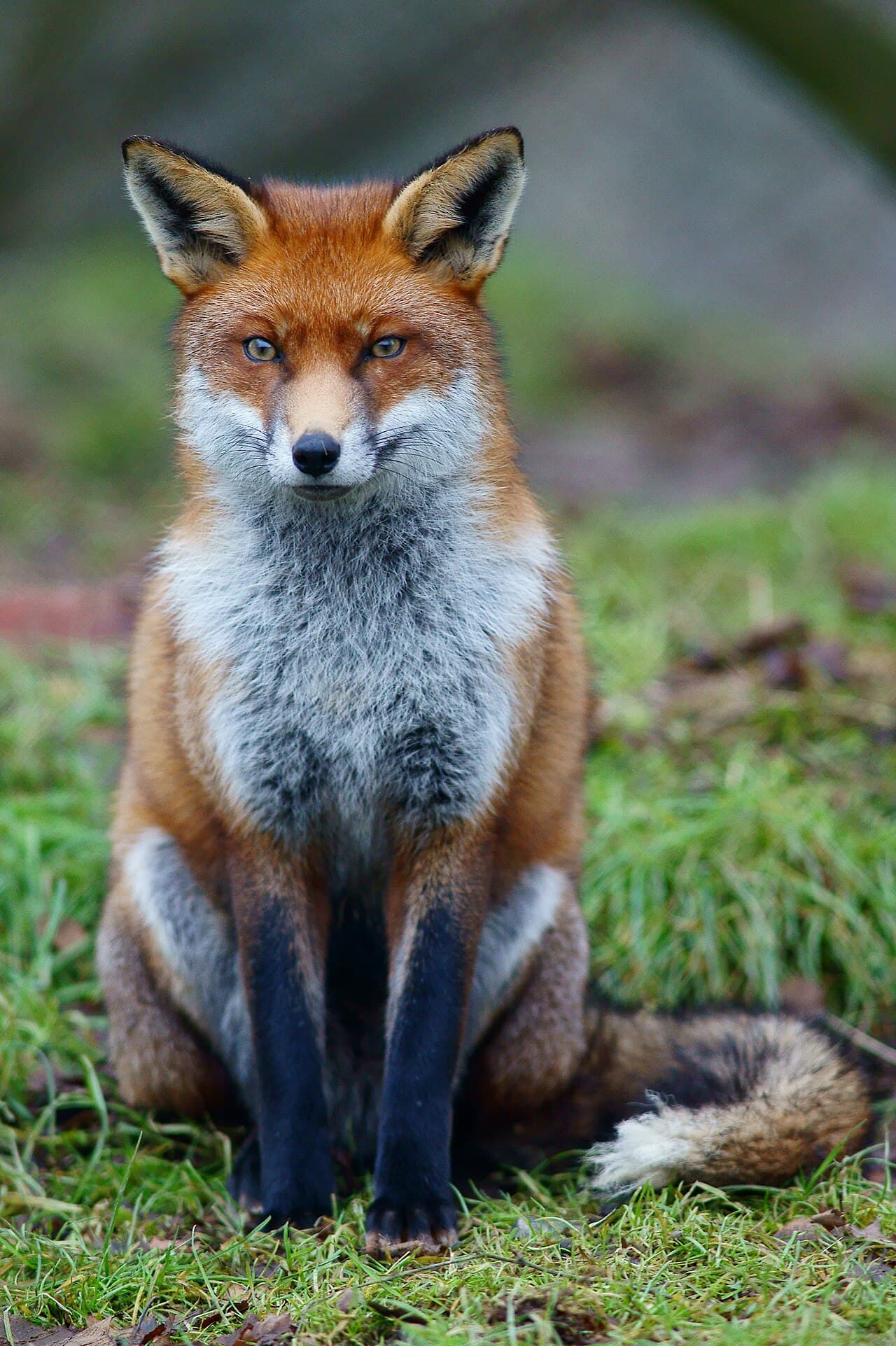
Red fox
Vulpes vulpes
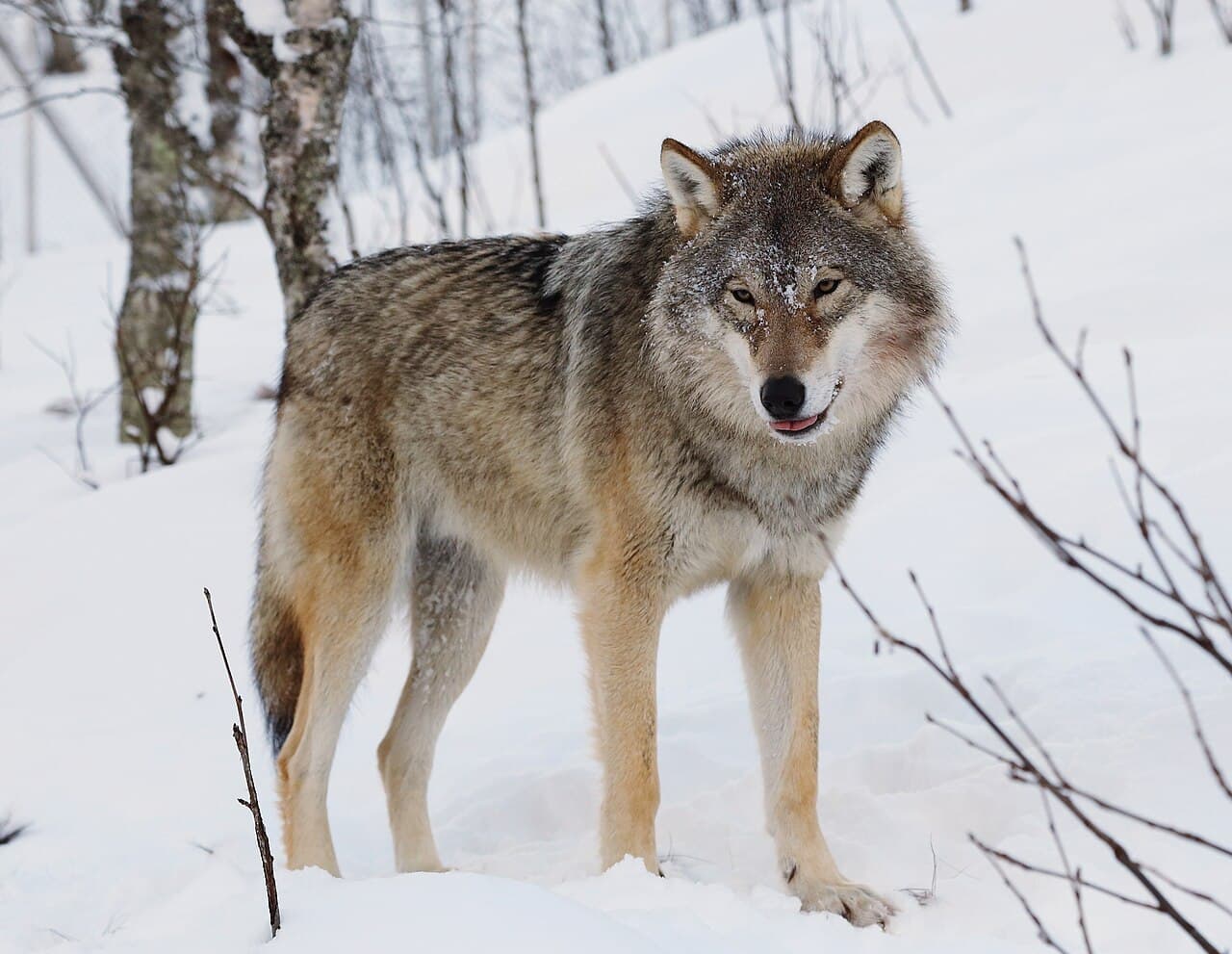
Grey wolf
Canis lupus
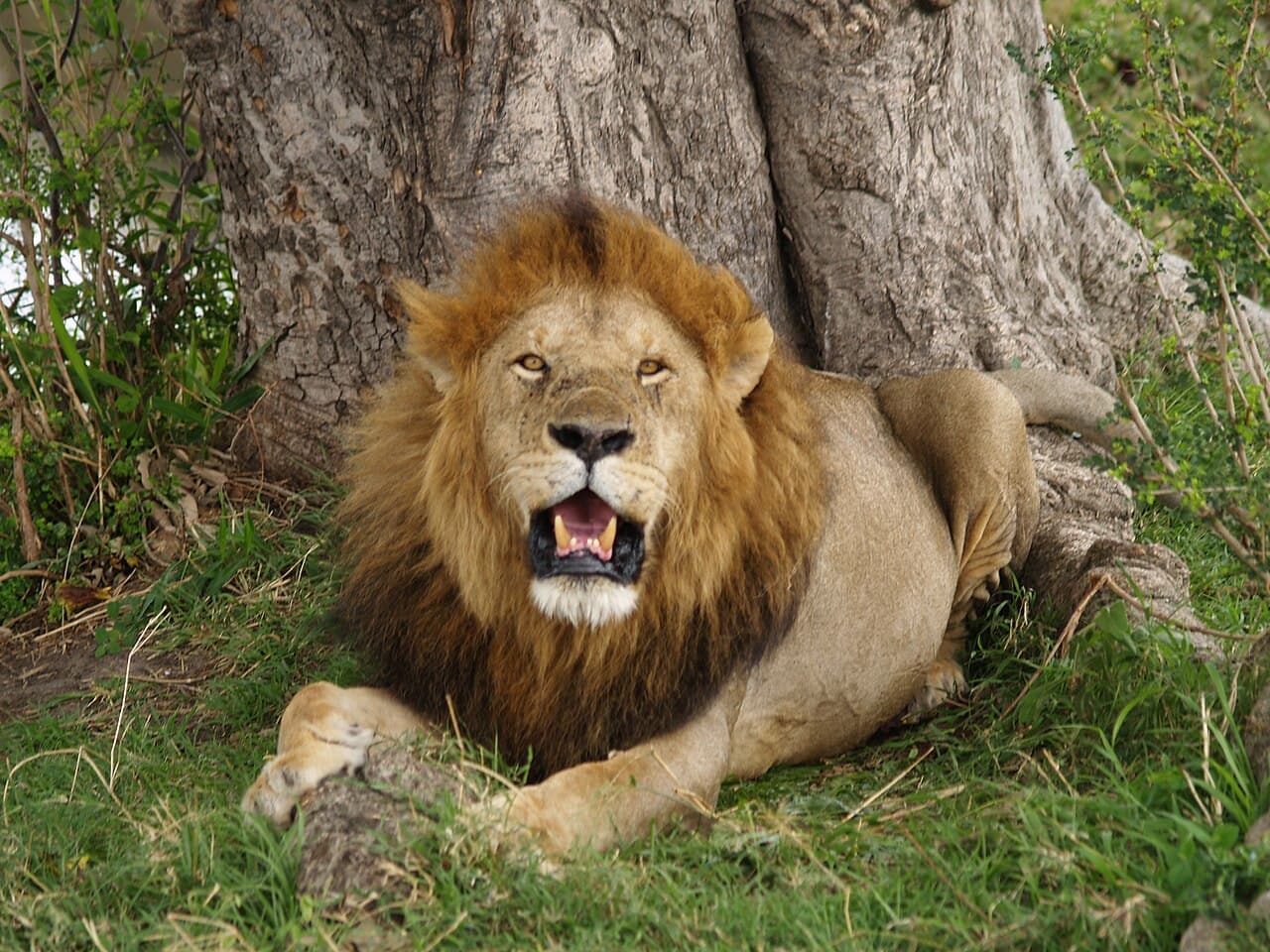
Lion
Panthera leo
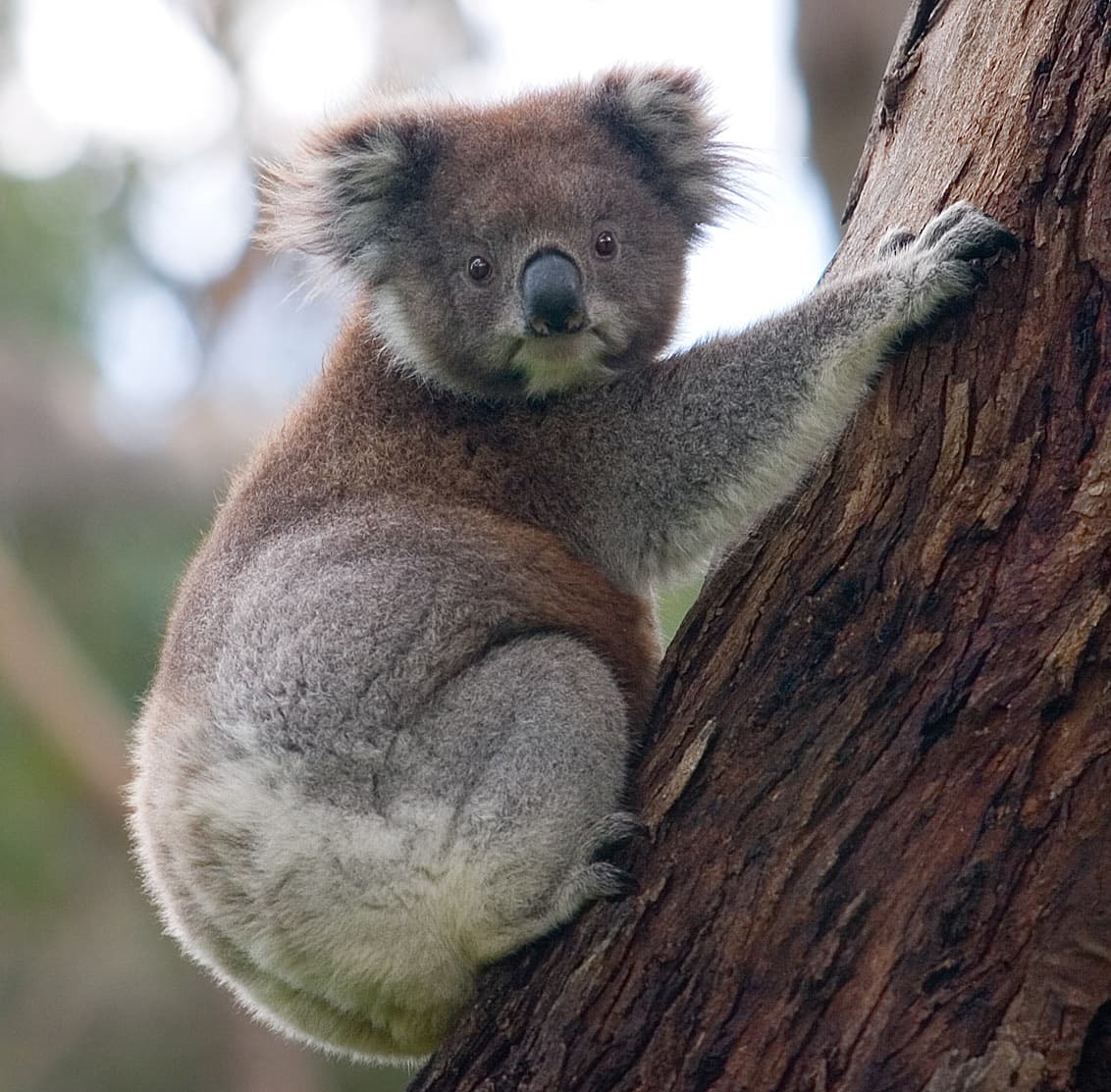
Koala
Phascolarctos cinereus
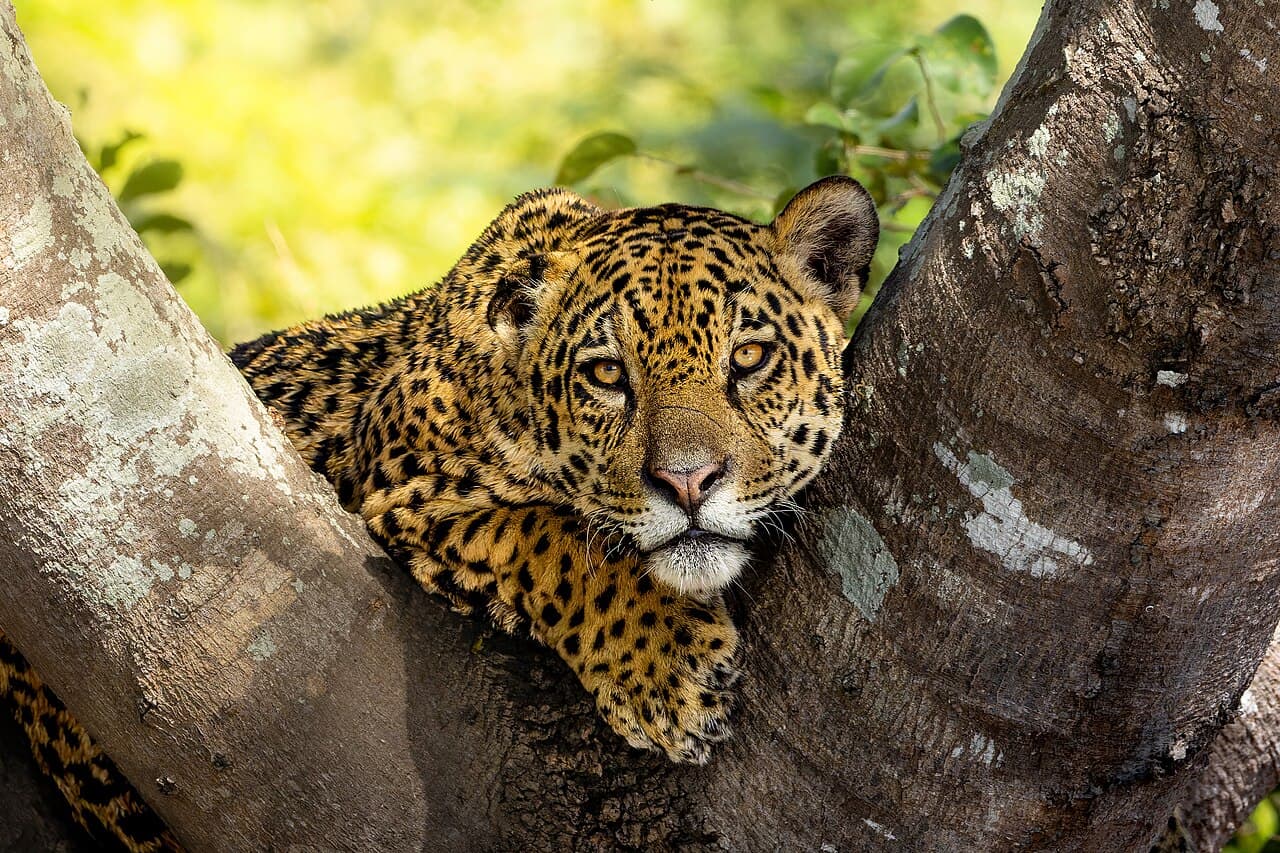
Jaguar
Panthera onca
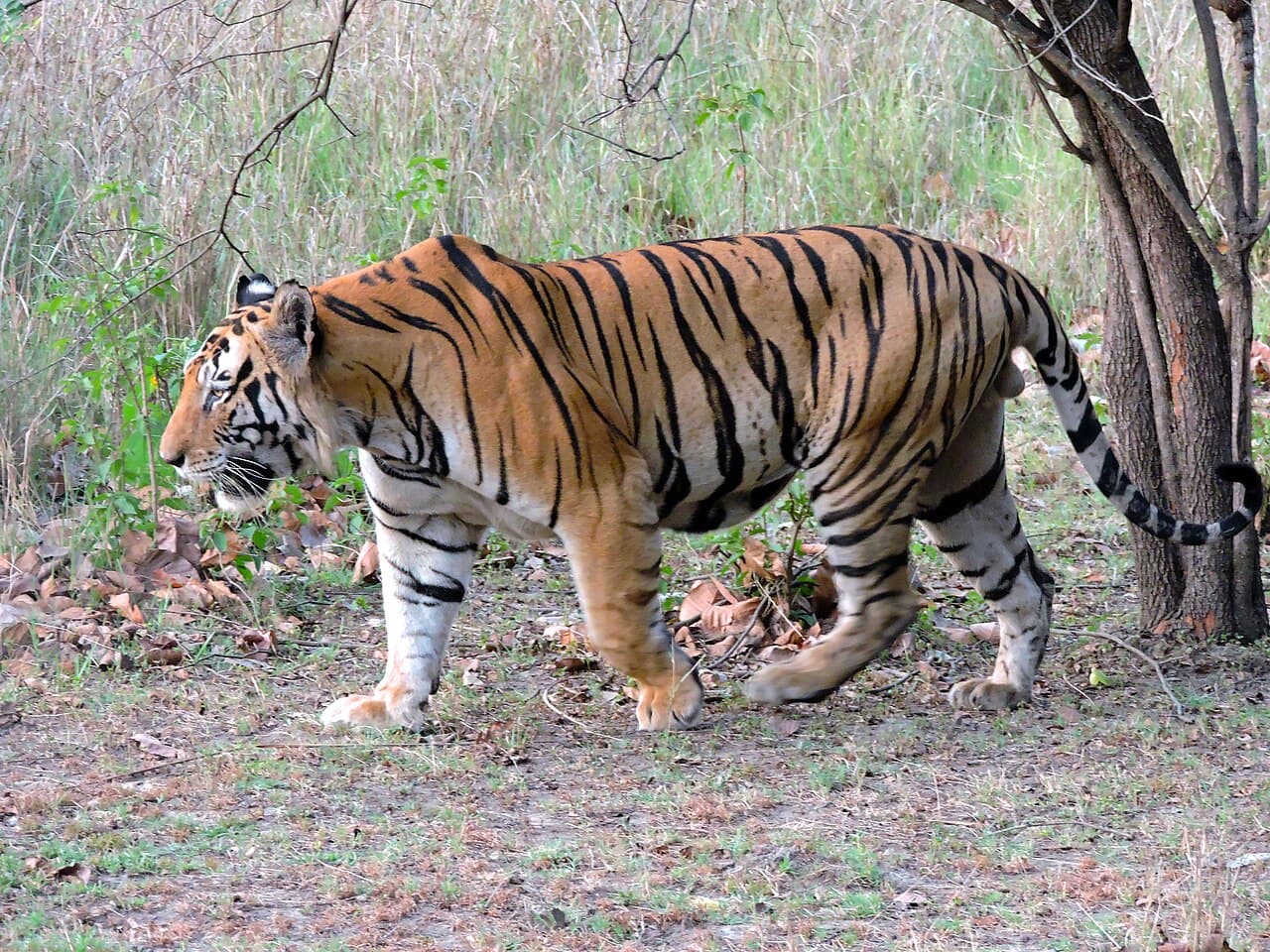
Tiger
Panthera tigris
CompareAfrican bush elephant vs Red foxAfrican bush elephant vs Grey wolfAfrican bush elephant vs LionAfrican bush elephant vs Koala
Common questions
Answered only where our data holds the answer.
Where does the African bush elephant live?
The African bush elephant has openly licensed sighting records from 47 countries on GBIF. The most records come from South Africa, Benin, Kenya, Zambia and Uganda. These are recorded sightings, not a definitive range.
Is the African bush elephant endangered?
The African bush elephant is listed as Endangered on the IUCN Red List, meaning it faces a very high risk of extinction in the wild.
How long is the African bush elephant pregnant?
The recorded gestation period is 670 days.
What kind of animal is the African bush elephant?
The African bush elephant (Loxodonta africana) belongs to the family Elephantidae in the order Proboscidea.
Sources and how to cite this page
Data as of 2026-11-11. How this page is put together.
- GBIF Backbone Taxonomy · CC BY 4.0 · live API 2026-11-11
GBIF Secretariat. GBIF Backbone Taxonomy. Checklist dataset https://doi.org/10.15468/39omei accessed via GBIF.org. - Wikidata · CC0 1.0 · live API 2026-11-11
Wikidata contributors. Wikidata, the free knowledge base. - GBIF occurrence aggregates (CC0 and CC BY records only) · CC BY 4.0 · live API 2026-11-11
GBIF.org occurrence search, country facet counts restricted to CC0 1.0 and CC BY 4.0 records. - Wikimedia Commons · Per file · live API 2026-11-11
Wikimedia Commons contributors. Licence and creator recorded per file. - English Wikipedia · CC BY-SA 4.0 · live API 2026-11-11
Wikipedia contributors. Wikipedia, The Free Encyclopedia.
Embed a card for this animal on your own site
Copy this code. The card shows the photo with its credit, key facts and a link back to this page.
CreatureData. (2026). African bush elephant (Loxodonta africana). Retrieved from https://creaturedata.com/animals/african-bush-elephant
“African bush elephant (Loxodonta africana).” CreatureData, 2026, https://creaturedata.com/animals/african-bush-elephant.
@misc{african_bush_elephant_2026,
  title = {African bush elephant (Loxodonta africana)},
  author = {{CreatureData}},
  year = {2026},
  url = {https://creaturedata.com/animals/african-bush-elephant},
  note = {Data as of 2026-11-11}
}