Lion
Panthera leo (Linnaeus, 1758)
The lion (Panthera leo) is a species in the family Felidae, order Carnivora. Recorded adults weigh 126 kg to 188 kg. It has been recorded in 63 countries, most often in South Africa, Kenya and Tanzania. Its IUCN Red List status is Vulnerable.
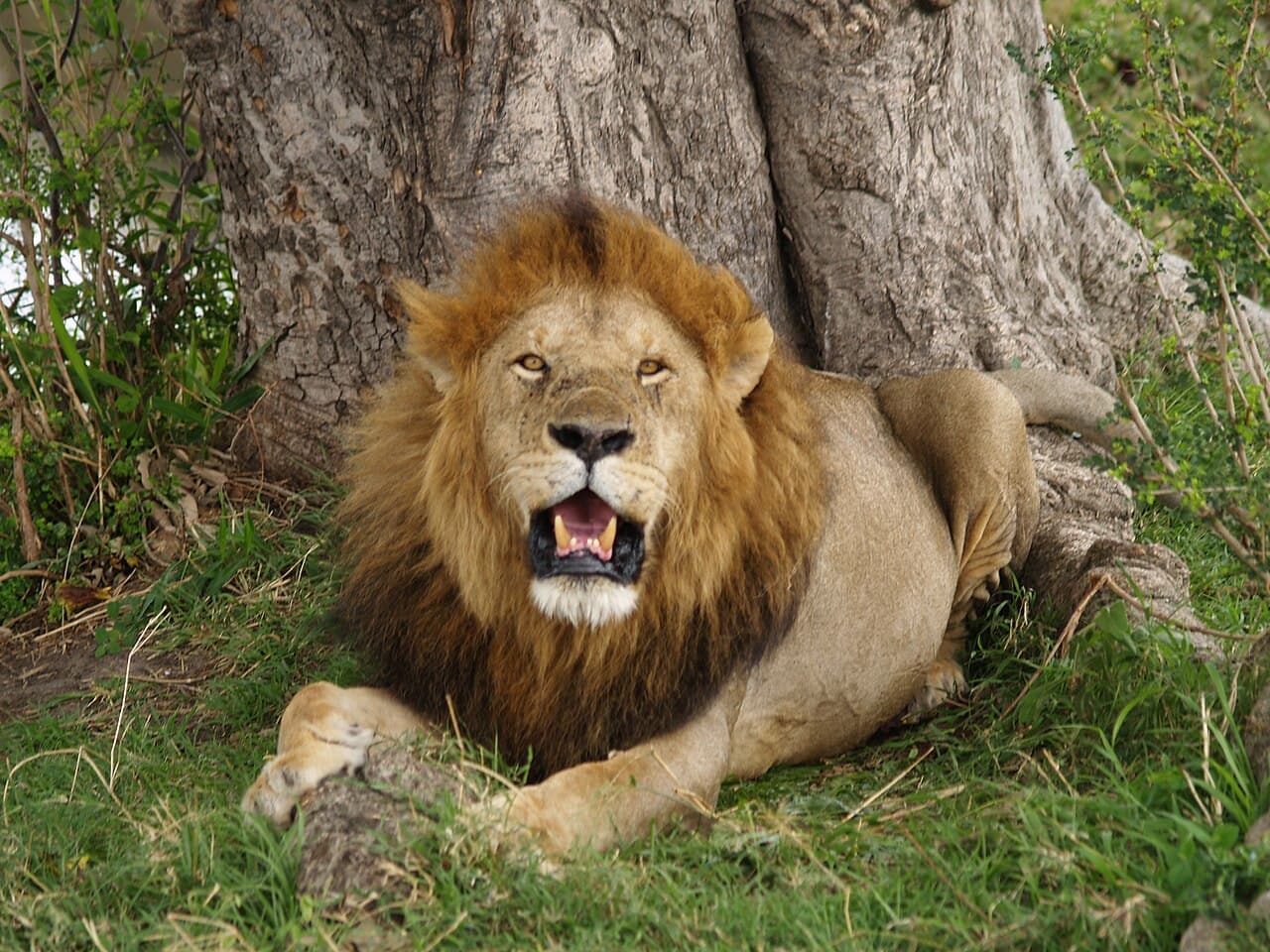
Quick facts about the lion
- Weight
- 126 kg – 188 kgsrc for Weight
- Length
- Not recorded
- Lifespan
- Not recorded
- Main food
- ungulatesrc for Main food
- Habitat
- Not recorded
- Gestation
- 108 dayssrc for Gestation
- Young per litter or clutch
- 2.5src for Young per litter or clutch
- Conservation status
- Vulnerable (IUCN)src for Conservation status
- Recorded in
- 63 countriessrc for Recorded in
Photos of the lion
Only freely licensed photos are shown. Each carries its creator and licence.


Where does the lion live?
Countries with openly licensed sighting records on GBIF. This shows where the species has been recorded, including zoos and introduced populations. It is not a definitive range.
The lion has been recorded in 63 countries, from 4,952 records.
- None on record
- 1–9
- 10–99
- 100–999
- 1,000+
The same figures as a list, most records first
- South Africa1,053
- Kenya835
- Tanzania703
- Germany557
- Benin280
- Botswana278
- Zambia263
- Namibia193
- United States144
- United Kingdom92
- Uganda85
- Zimbabwe80
- India67
- Denmark28
- Malawi26
- Ethiopia25
- Netherlands24
- Congo - Kinshasa21
- Mozambique16
- Brazil15
- Angola11
- France11
- Sweden10
- Senegal9
- Algeria8
- Gabon7
- Rwanda7
- Sudan7
- Somalia7
- Chad7
- Poland6
- Argentina5
- Central African Republic5
- China5
- Spain5
- Belgium4
- Congo - Brazzaville4
- Côte d’Ivoire4
- Eswatini4
- Ukraine4
What is the lion?
The lion (Panthera leo) is a large cat of the genus Panthera, currently ranging only in sub-Saharan Africa and India. It has a muscular, broad-chested body; a short, rounded head; round ears; and a dark, hairy tuft at the tip of its tail. It is sexually dimorphic; adult male lions are larger than females and have a prominent mane that extends from the head to the shoulders and chest.
The lion inhabits grasslands, savannahs, and shrublands. It is an apex and keystone predator, preying mostly on medium-sized and large hooved mammals. It is usually more diurnal than other wild cats, but when persecuted, it adapts to being active at night and at twilight. It is a social species, forming groups called prides. A lion pride consists of related females and cubs, and a few or one adult male who is unrelated to the females. Groups of female lions usually hunt together. Adult males often compete to keep or gain their membership in the pride.
During the Neolithic period, the lion ranged throughout Africa and Eurasia, from southeastern Europe to India. It has been reduced to fragmented populations in sub-Saharan Africa and one population in western India. It has been listed as Vulnerable on the IUCN Red List since 1996 because populations in African countries have declined by about 43% since the early 1990s. Lion populations are untenable outside designated protected areas. Although the cause of the decline is not fully understood, habitat loss and conflicts with humans are the greatest causes for concern.
The lion has been extensively depicted in sculptures and paintings, on national flags, and in literature and films. It is one of the most widely recognised animal symbols in human culture. Lions have been kept in menageries since the time of the Roman Empire and have been a key species sought for exhibition in zoological gardens across the world since the late 18th century. Cultural depictions of lions have occurred worldwide, particularly as a symbol of power and royalty. They figure prominently as symbols and deities in ancient religions.
Wikipedia contributors, “Lion”, Wikipedia (revision 1383140093), retrieved 2026-11-11. Shared under CC BY-SA 4.0; this block is kept separate from our own text.
What does the lion sound like?
Is the lion endangered?
The lion is listed as Vulnerable on the IUCN Red List: it faces a high risk of extinction in the wild.
- LCLeast Concern
- NTNear Threatened
- VUVulnerable
- ENEndangered
- CRCritically Endangered
- EWExtinct in the Wild
- EXExtinct
Category via Wikidata (CC0). Find the full assessment on the IUCN Red List. See all Vulnerable species.
How is the lion classified?
- kingdomAnimalia
- phylumChordata
- classMammalia
- orderCarnivora
- familyFelidae
- genusPanthera
- SpeciesPanthera leo (Linnaeus, 1758)
Synonyms Felis imperialis, Felis leo
Names in other languages (19)
- lionFrench
- LöweGerman
- leónSpanish
- leãoPortuguese
- leoneItalian
- leeuwDutch
- lejonSwedish
- ライオンJapanese
- 獅Chinese
- أسدArabic
- सिंहHindi
- simbaSwahili
- левRussian
- أَسَدٌArabic
- शेरHindi
- 狮子Chinese
- Lion d'AfriqueFrench
- African lionEnglish
- لَيْثٌArabic
GBIFWikidataWikipediaNCBI TaxonomyITISEncyclopedia of LifeiNaturalist
Relatives of the lion
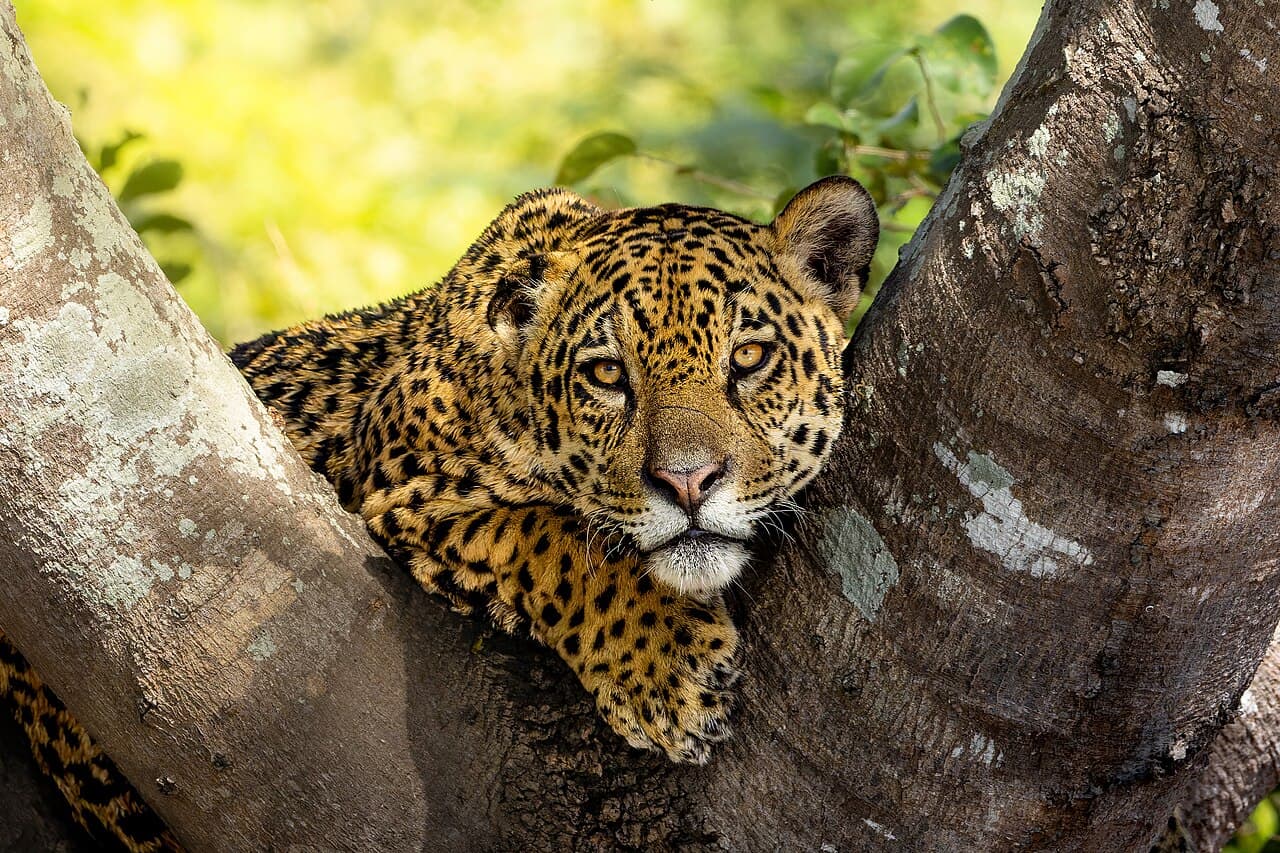
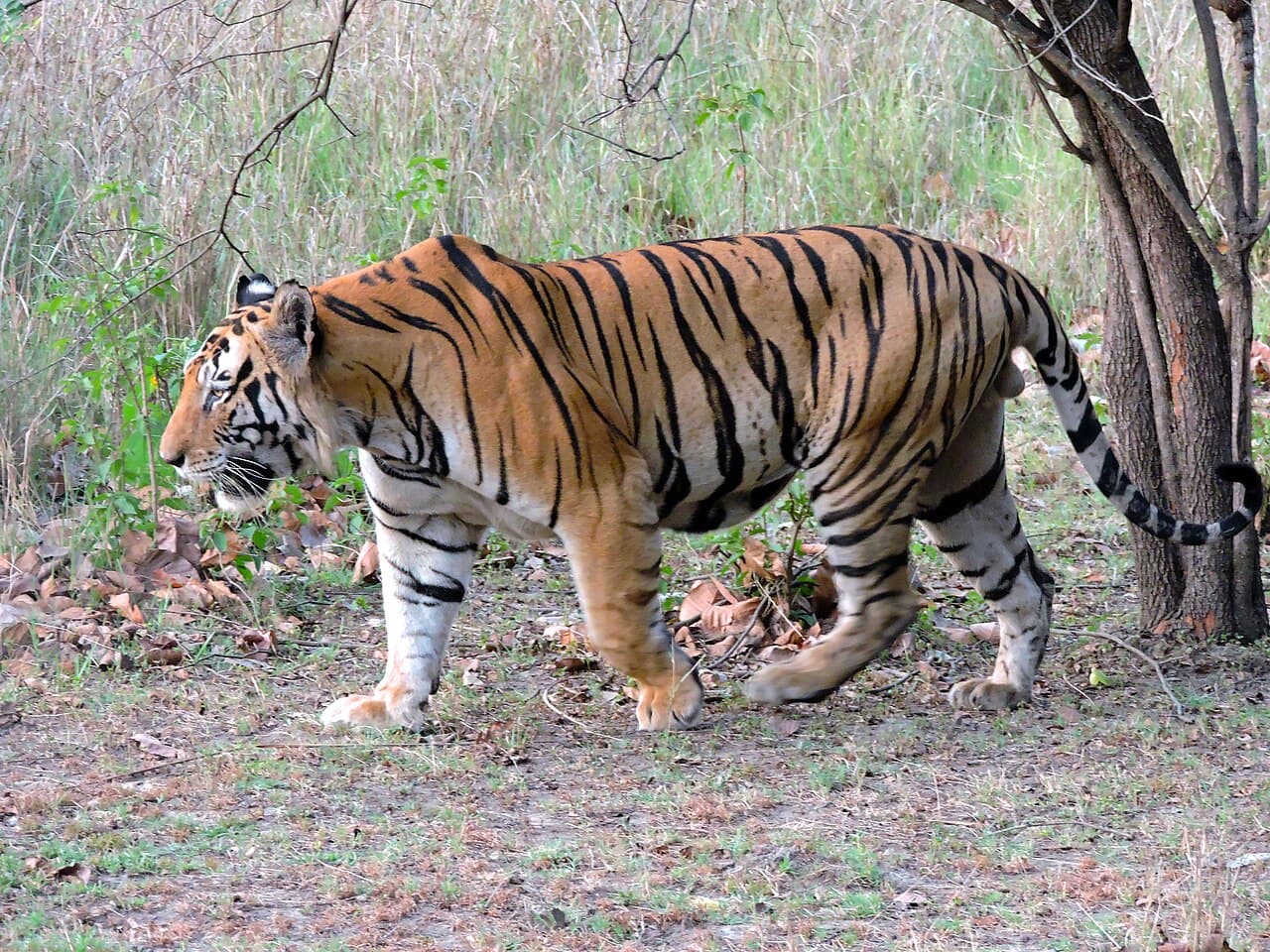
Other species in the same genus Panthera.


Common questions
Answered only where our data holds the answer.
How big is the lion?
An adult lion weighs 126 kg – 188 kg, according to values recorded on Wikidata.
Where does the lion live?
The lion has openly licensed sighting records from 63 countries on GBIF. The most records come from South Africa, Kenya, Tanzania, Germany and Benin. These are recorded sightings, not a definitive range.
Is the lion endangered?
The lion is listed as Vulnerable on the IUCN Red List, meaning it faces a high risk of extinction in the wild.
What does the lion eat?
Its recorded main food is ungulate.
How long is the lion pregnant?
The recorded gestation period is 108 days.
What kind of animal is the lion?
The lion (Panthera leo) belongs to the family Felidae in the order Carnivora.
Sources and how to cite this page
Data as of 2026-11-11. How this page is put together.
- GBIF Backbone Taxonomy · CC BY 4.0 · live API 2026-11-11
GBIF Secretariat. GBIF Backbone Taxonomy. Checklist dataset https://doi.org/10.15468/39omei accessed via GBIF.org. - Wikidata · CC0 1.0 · live API 2026-11-11
Wikidata contributors. Wikidata, the free knowledge base. - GBIF occurrence aggregates (CC0 and CC BY records only) · CC BY 4.0 · live API 2026-11-11
GBIF.org occurrence search, country facet counts restricted to CC0 1.0 and CC BY 4.0 records. - Wikimedia Commons · Per file · live API 2026-11-11
Wikimedia Commons contributors. Licence and creator recorded per file. - English Wikipedia · CC BY-SA 4.0 · live API 2026-11-11
Wikipedia contributors. Wikipedia, The Free Encyclopedia.
Embed a card for this animal on your own site
Copy this code. The card shows the photo with its credit, key facts and a link back to this page.
CreatureData. (2026). Lion (Panthera leo). Retrieved from https://creaturedata.com/animals/lion
“Lion (Panthera leo).” CreatureData, 2026, https://creaturedata.com/animals/lion.
@misc{lion_2026,
  title = {Lion (Panthera leo)},
  author = {{CreatureData}},
  year = {2026},
  url = {https://creaturedata.com/animals/lion},
  note = {Data as of 2026-11-11}
}